How to Organize Your Waste Stream with a Mobile Wheelie Bin
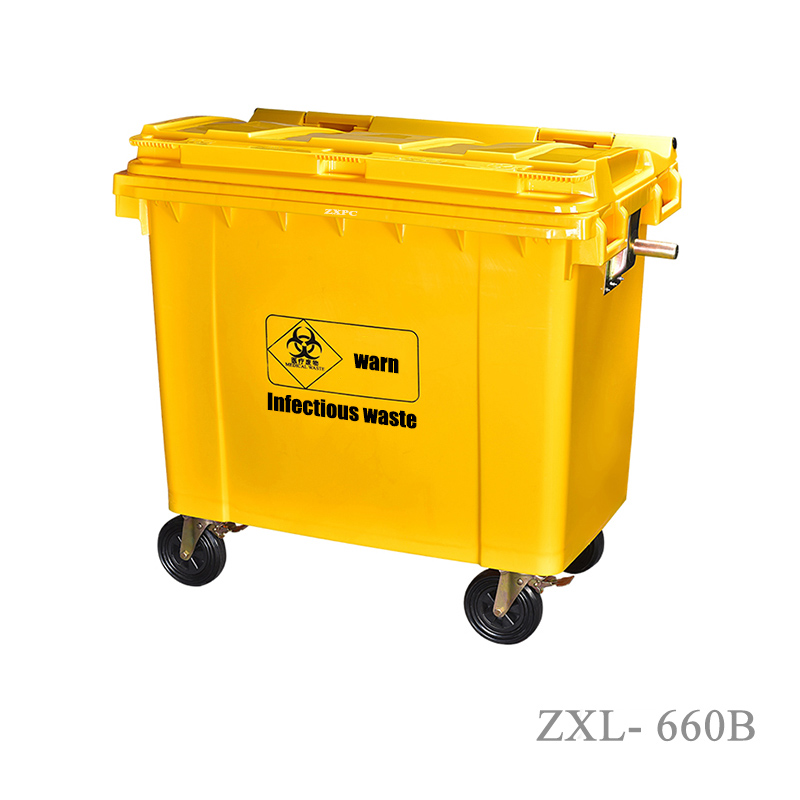
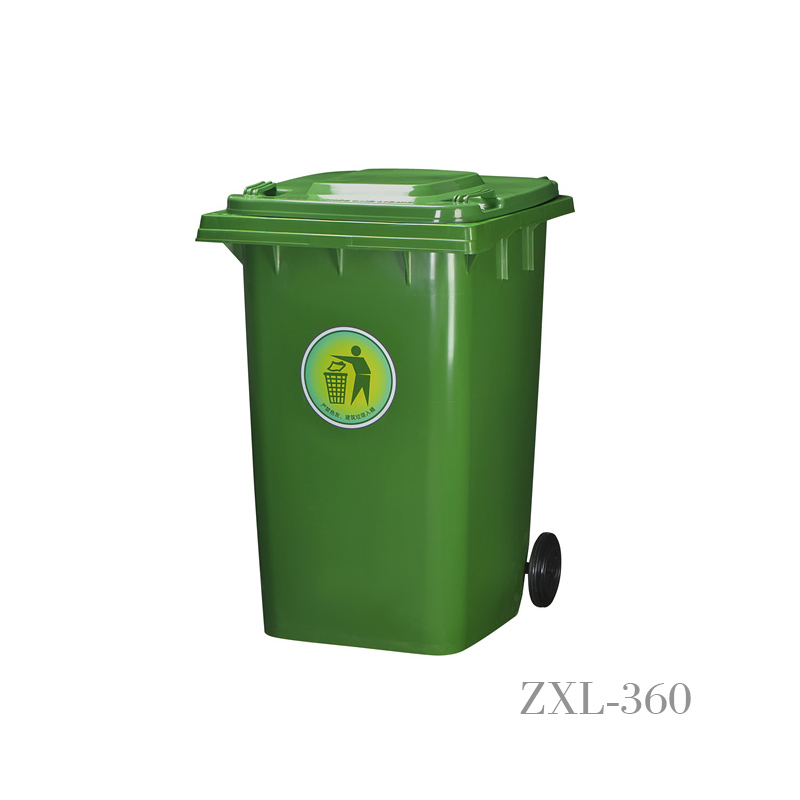
Organizing your waste stream can seem daunting, but it can be made easier with a Mobile Wheelie Bin (also known as a wheelie bin). Many individuals and families struggle with inefficient waste management, leading to confusion about sorting recyclables, compost, and general waste. A Mobile Wheelie Bin offers a systematic solution to these pain points by streamlining the disposal process and enhancing environmental responsibility. For instance, in a community study, families that implemented a waste organization system reported a 43% reduction in landfill waste over six months. This guide will address your needs for better waste management, easing your sorting processes, and creating a cleaner environment.
Required Preparation for Using a Mobile Wheelie Bin
Before jumping into the organization process, gather the following materials and tools:
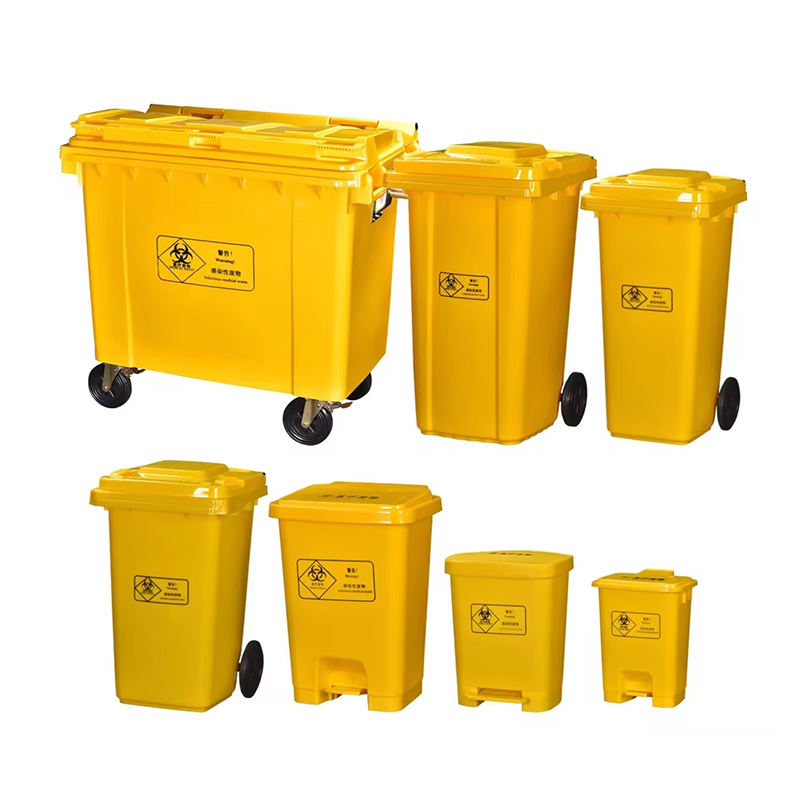
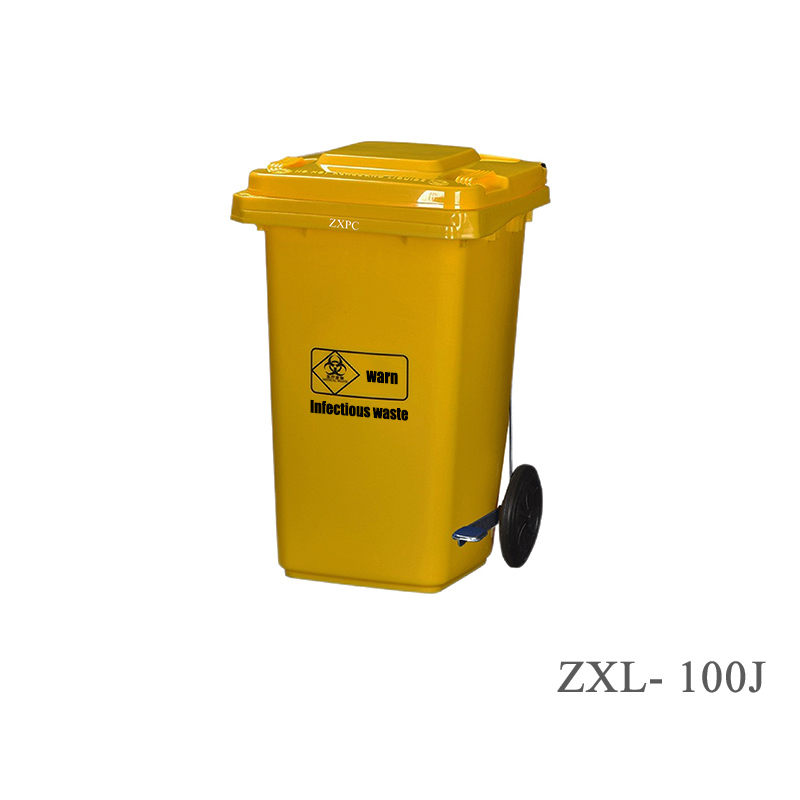
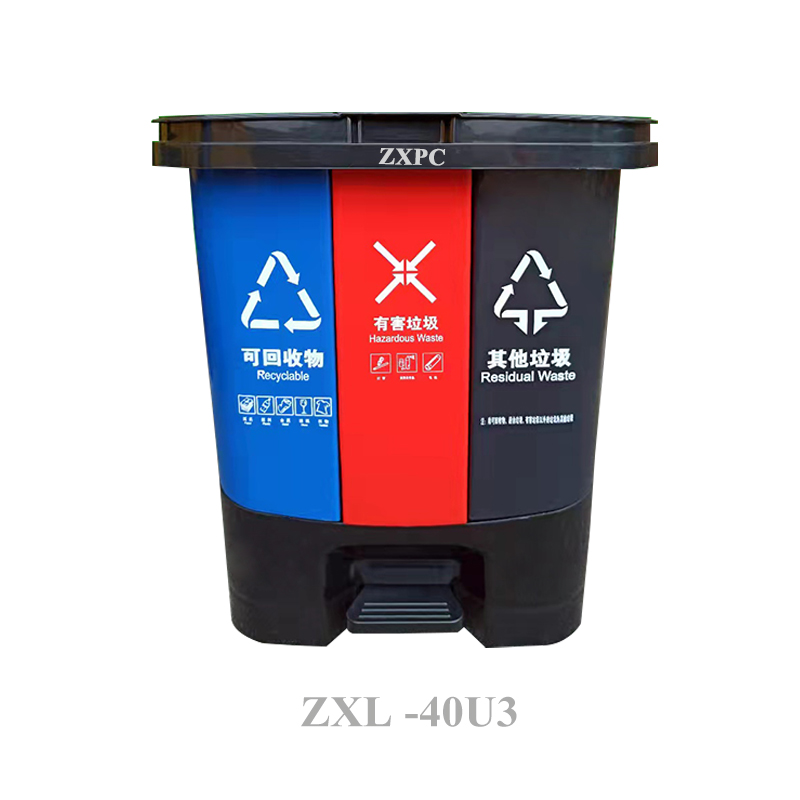
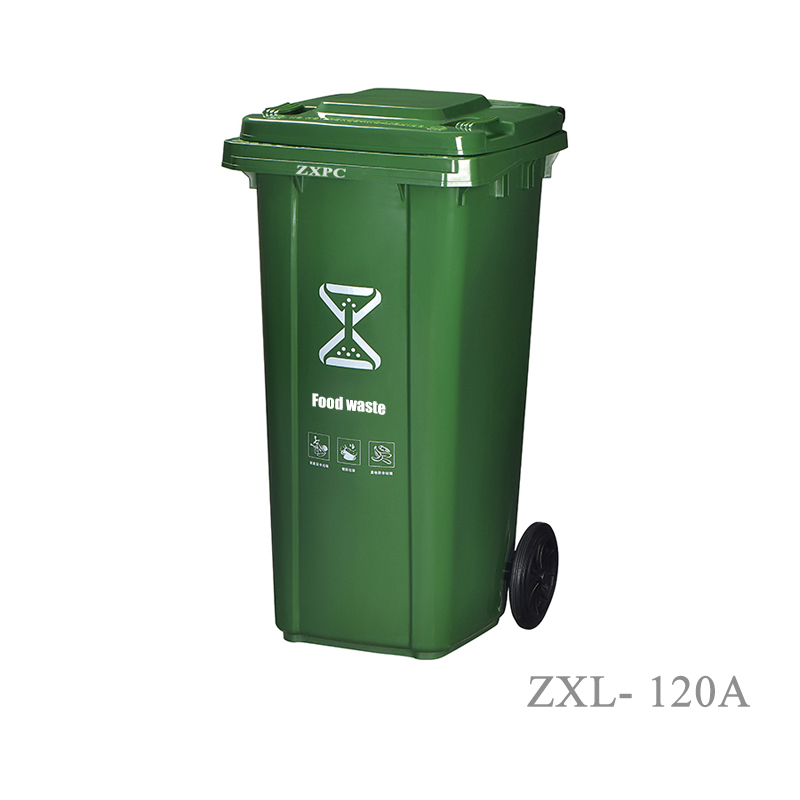
- Mobile Wheelie Bin: A reliable bin with multiple compartments for sorting waste.
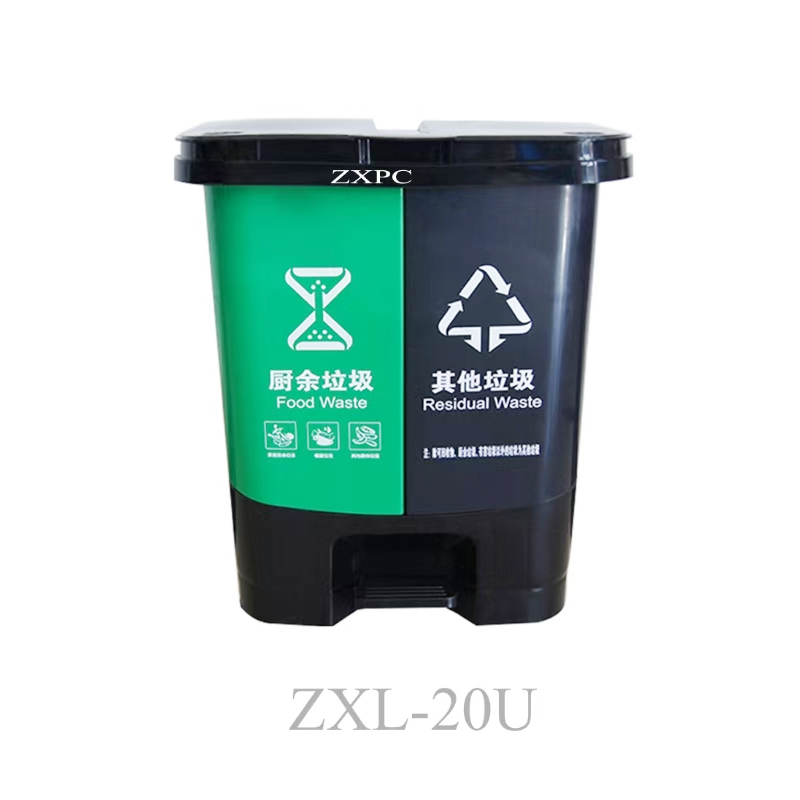
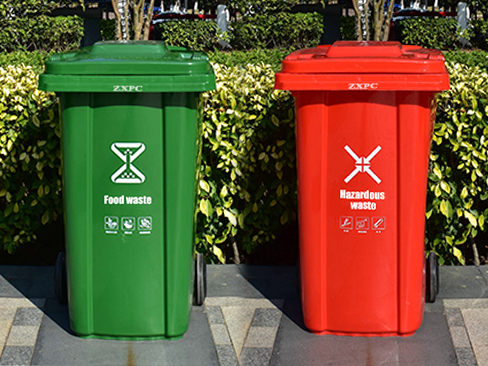
- Labels: Clear labels for each compartment to indicate what types of waste go where (e.g., recyclables, compost, general waste).
- Waste Inventory: A checklist of what items you commonly dispose of in your household.
- Collection Schedule: Local waste collection days and guidelines for proper disposal.
Step-by-Step Guidance to Organize Your Waste Stream
Follow these clear steps to utilize your Mobile Wheelie Bin effectively:
- Step 1: Assess Your Waste - Conduct a week-long waste audit. Keep a record in your waste inventory of the items you throw away. Classify waste into categories: recyclables, compostable, and non-recyclable waste.
- Step 2: Set Up Your Mobile Wheelie Bin - Position the bin in an accessible area. For example, next to the kitchen or outdoor compost zone, to encourage proper sorting.
- Step 3: Label the Compartments - Use weather-resistant labels to define sections for recyclables, organics, and landfill waste. Studies show that labeling can increase proper waste sorting by up to 50%.
- Step 4: Educate Your Household - Hold a small family meeting to explain the new system. Share insights from other users, like Sarah, who reported that her kids began eagerly sorting waste after they understood the benefits.
- Step 5: Maintain the System - Regularly check each compartment for cleanliness. Empty the bin weekly to prevent unpleasant odors, as the average home generates around 4.5 pounds of waste per person daily.
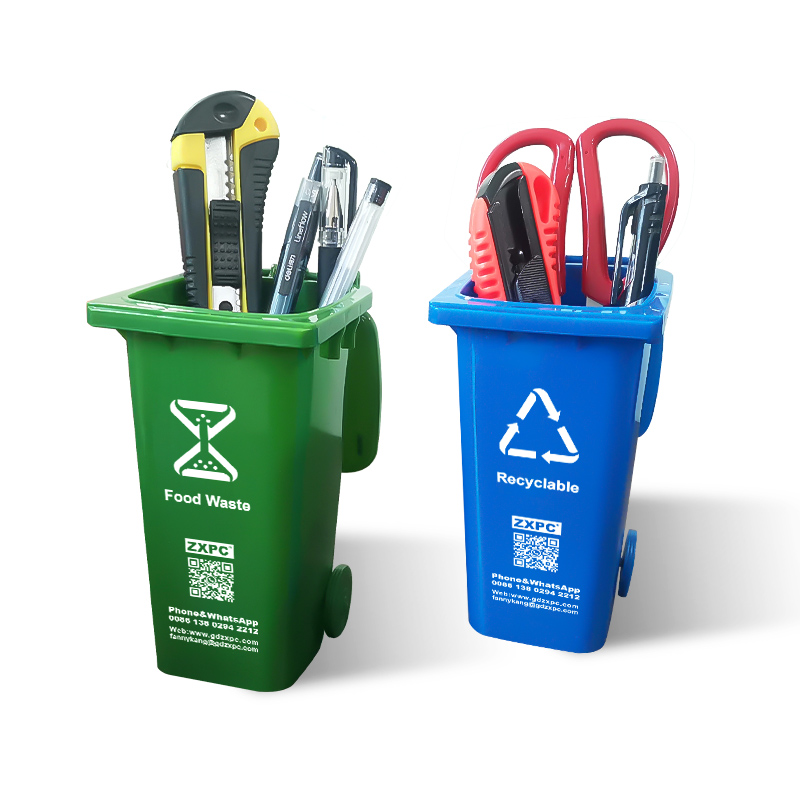
Common Errors and Solutions
Users often face challenges when first implementing a Mobile Wheelie Bin system:
- Ignoring Local Guidelines: Ensure you are aware of your local recycling guidelines. Misplaced items can contaminate recyclables, leading to a 20% increase in waste rejected by recycling plants.
- Not Cleaning the Bin Regularly: Accumulation of waste can lead to odors and pests. Plan to clean your bin monthly to maintain a hygienic environment.
- Lack of Follow-Through: After establishing the system, some families revert to old habits. Consider setting reminders or incentives for everyone to stick to the new process.
Summary and Suggestions
Using a Mobile Wheelie Bin is an effective way to organize your waste stream, promoting better recycling habits and reducing landfill contributions. By assessing your waste, setting up a clear labeling system, and educating those in your household, you can greatly enhance your waste management practices. Personal stories, like those of households who saw a decrease in waste by implementing these steps, indicate that this approach is effective. Ensure you regularly maintain your system for long-term success.
FAQs
1. What types of waste can I put in a Mobile Wheelie Bin?
Your Mobile Wheelie Bin should be categorized into three sections: recyclable materials (paper, plastic, glass), compostable waste (food scraps, yard waste), and non-recyclable waste (batteries, certain plastics). Tailor this according to local guidelines.
2. How can I encourage my family to adopt this waste management system?
Involve them in the process. Share personal success stories, like how one user reduced their household waste by 30% after creating incentives for sorting waste, and highlight positive impacts on the community and environment.
3. How often should I empty my Mobile Wheelie Bin?
It is recommended to empty the bin weekly, especially for compostable waste, which can produce odors and attract pests if left too long. Adjust the frequency based on your household waste generation.