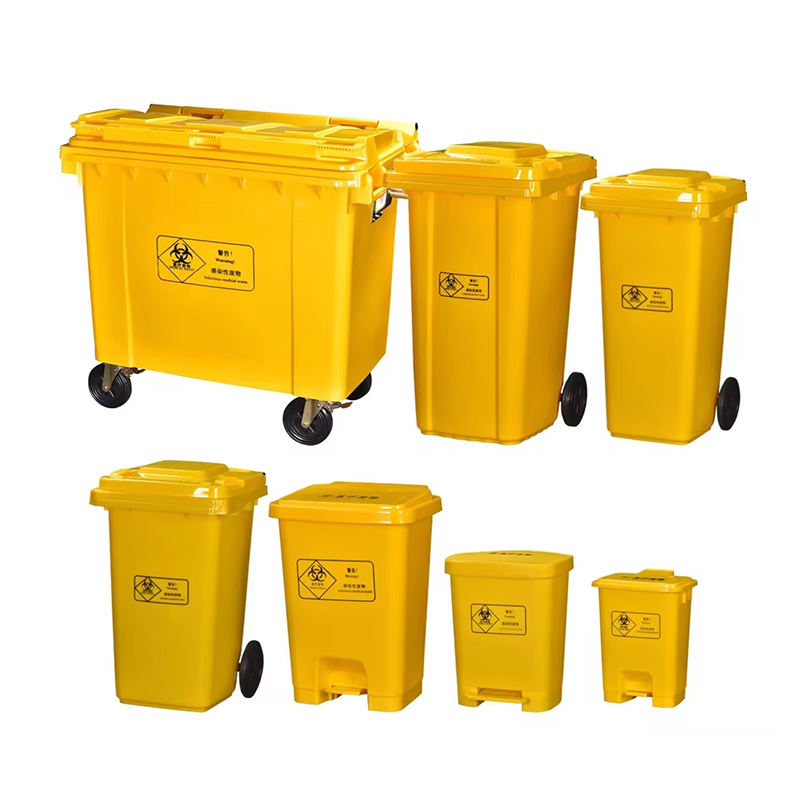
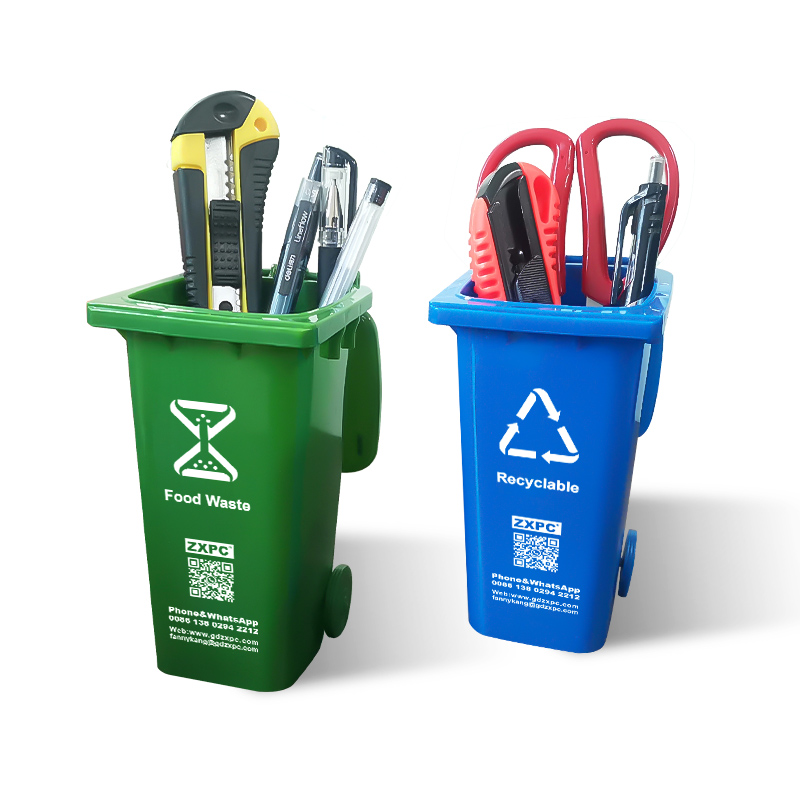
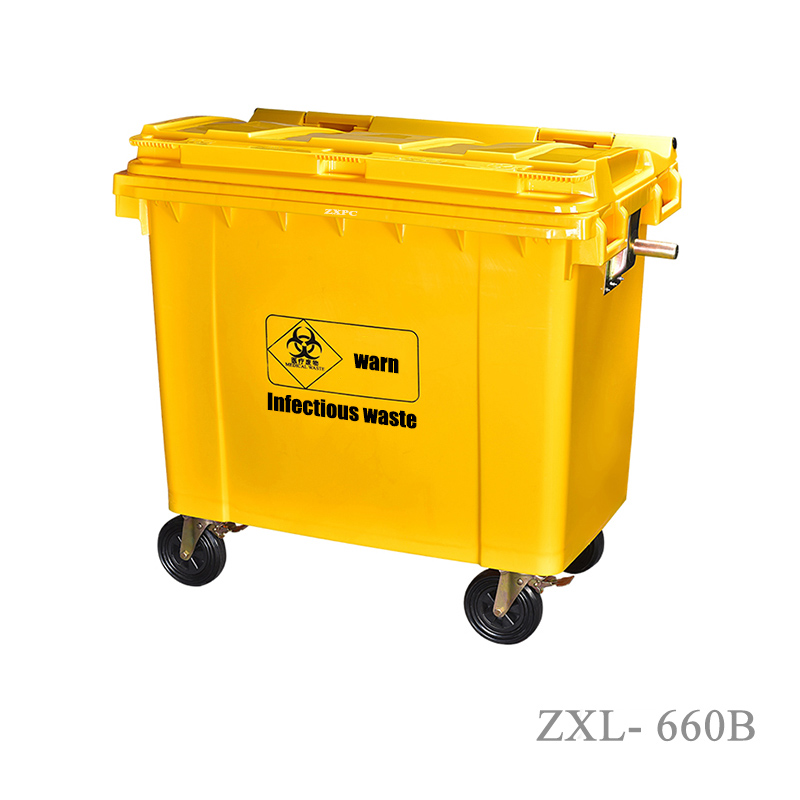
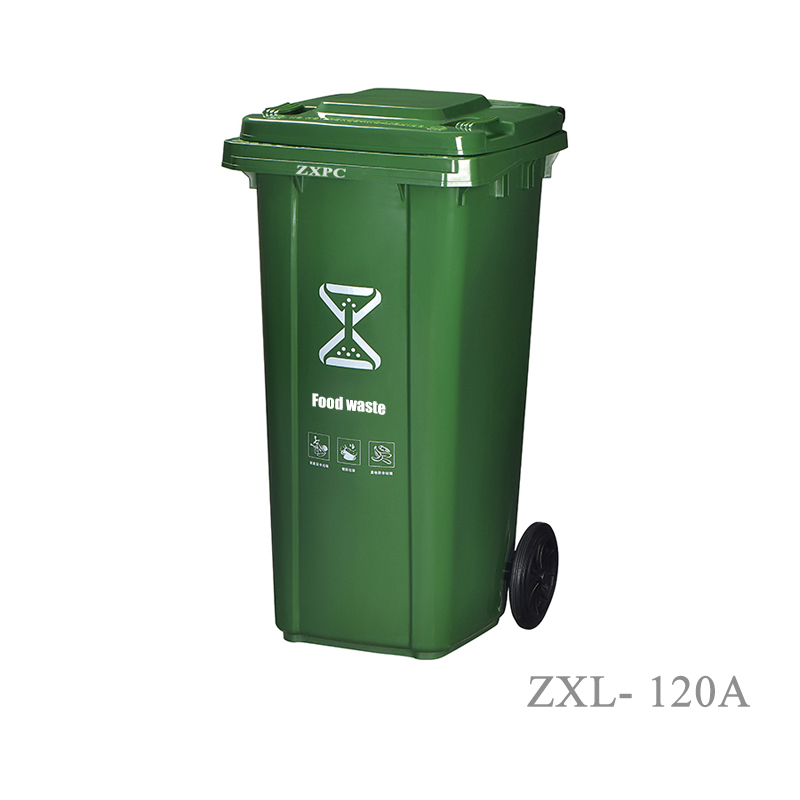
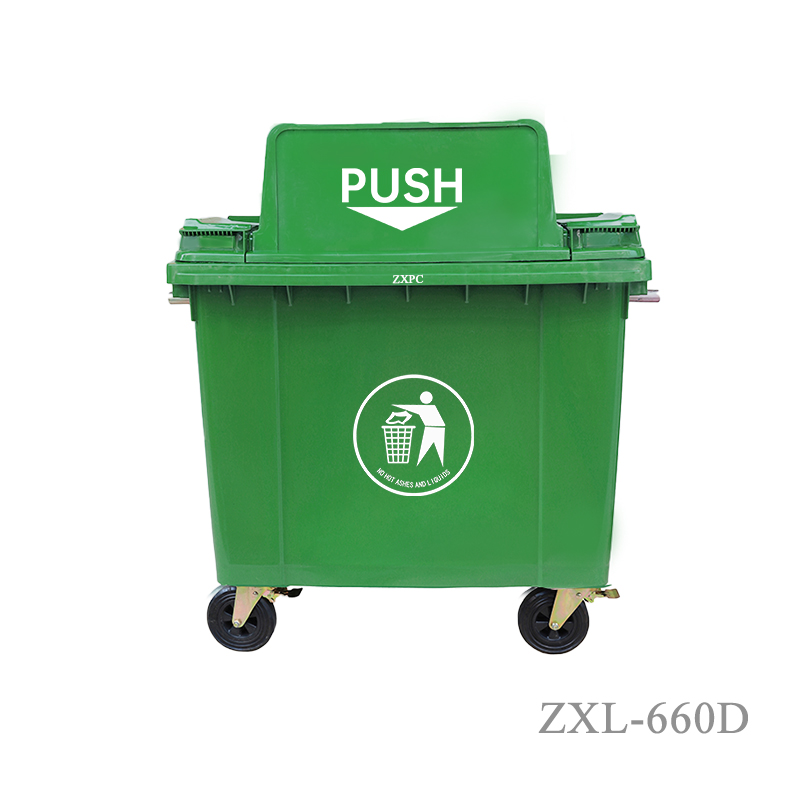
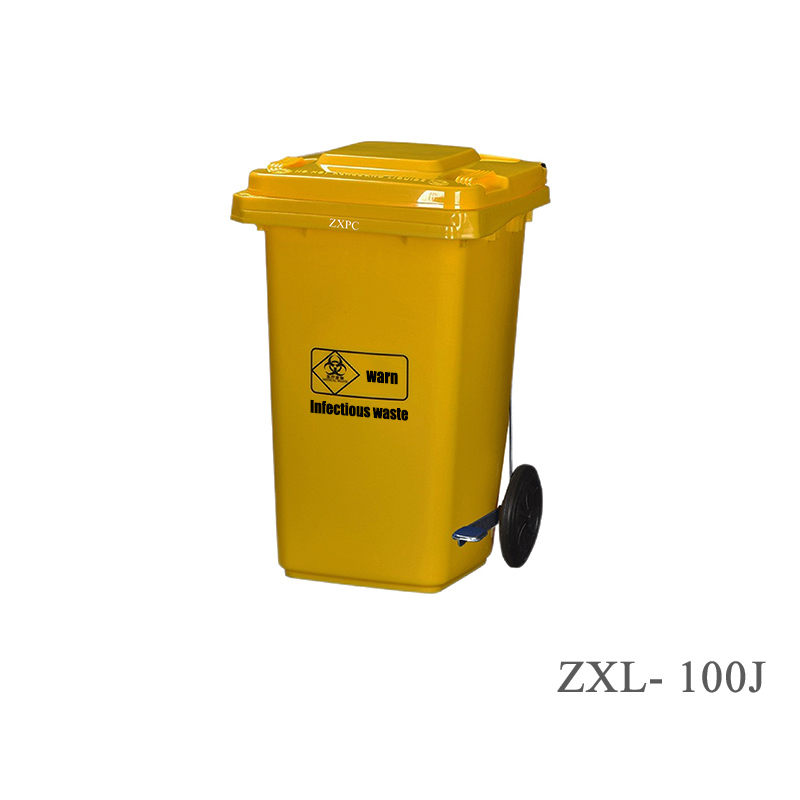
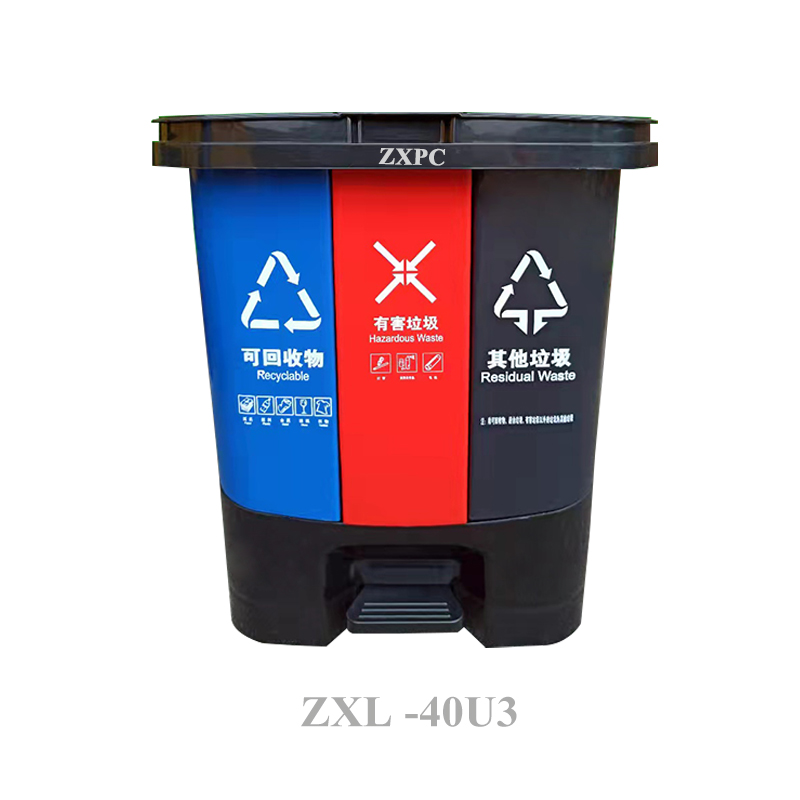
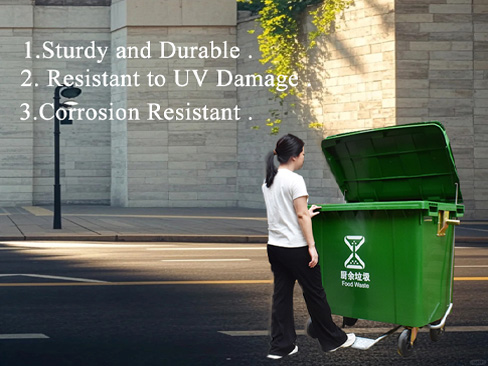
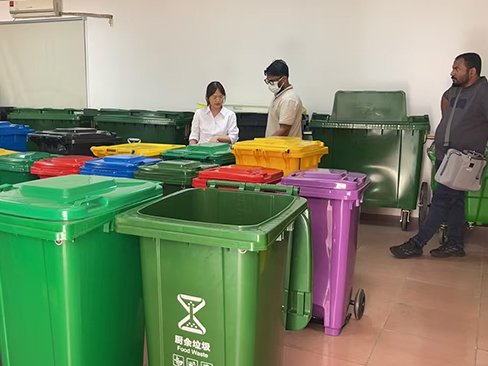
Proper medical waste bin storage solutions can significantly reduce health risks. Healthcare facilities generate various types of medical waste every day. This waste can include anything from sharps like needles to contaminated materials. Improper disposal can lead to serious environmental hazards and health concerns. Therefore, understanding how to manage and store medical waste bins is critical. A clear storage system helps in maintaining safety and compliance with waste management regulations.
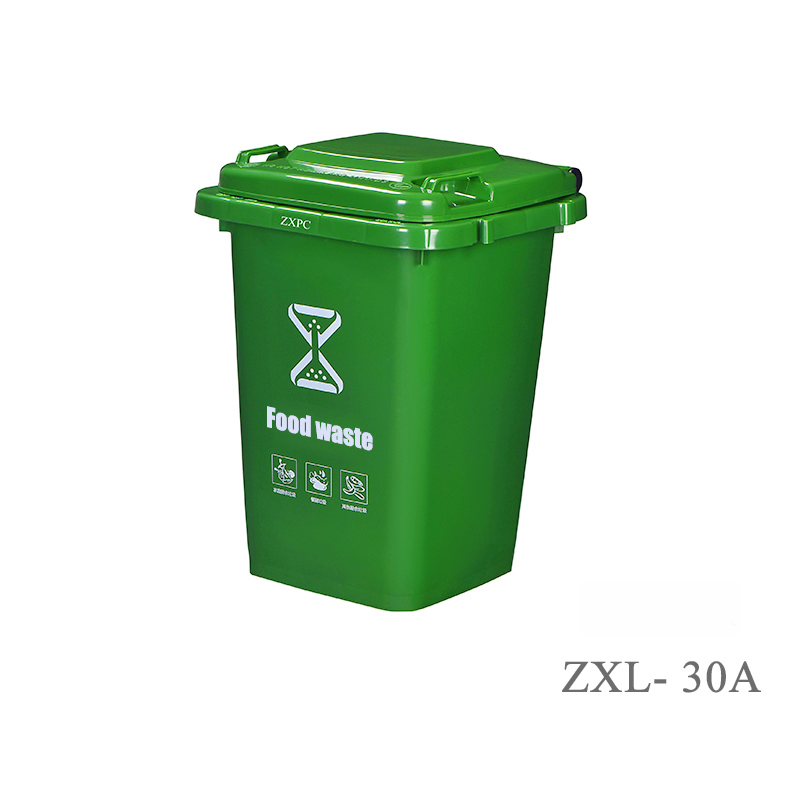
Medical waste bin storage solutions provide safe, compliant ways to manage hazardous waste in healthcare settings.
Healthcare facilities produce diverse waste types. Proper segregation helps to:
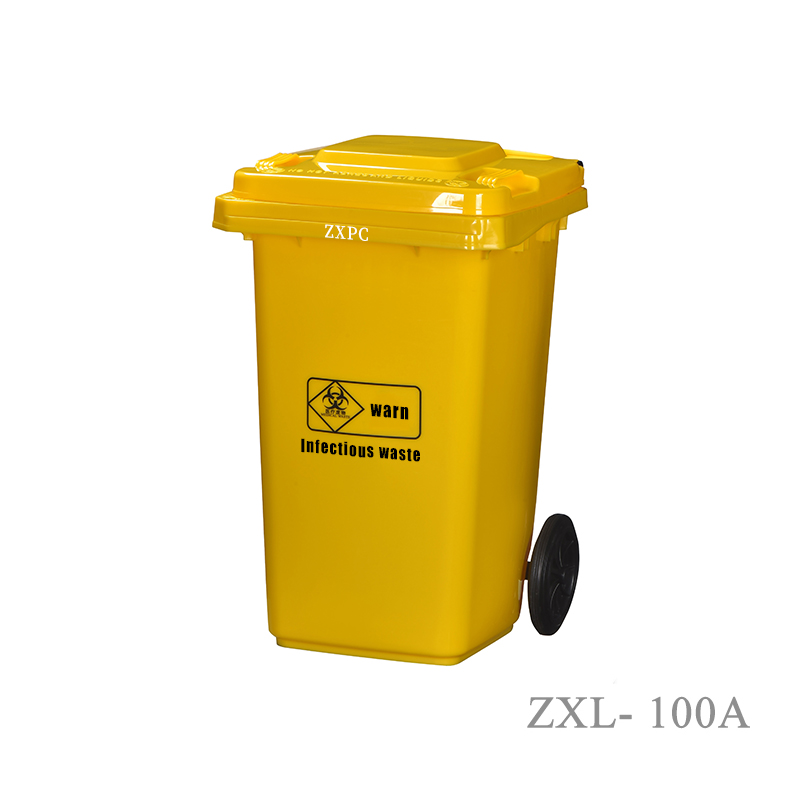
There are several types of medical waste bins, each designed for specific waste categories:
To manage medical waste bin storage effectively, follow these best practices:
In summary, medical waste bin storage solutions are vital for maintaining a safe healthcare environment. By segregating waste properly and using the correct bins, healthcare providers can minimize health hazards and comply with regulations. Effective storage practices will go a long way in ensuring safety for both staff and patients.
1. What is the difference between medical waste and regular waste?
Medical waste is any waste that can pose a risk of infection, while regular waste does not carry such risks.
2. How often should medical waste bins be emptied?
Bins should be emptied regularly, based on the volume of waste generated, to prevent overflow.
3. Are there special regulations for medical waste disposal?
Yes, healthcare facilities must comply with specific regulations regarding the handling and disposal of medical waste.
4. Can medical waste bins be reused?
No, medical waste bins must be disposed of once they are full and cannot be reused.
5. How do I know which bin to use for my waste?
Each bin is clearly labeled according to the type of waste it should contain. Always follow these labels.
6. What happens to medical waste after it is collected?
Medical waste is usually incinerated or treated to neutralize any hazardous components before disposal.