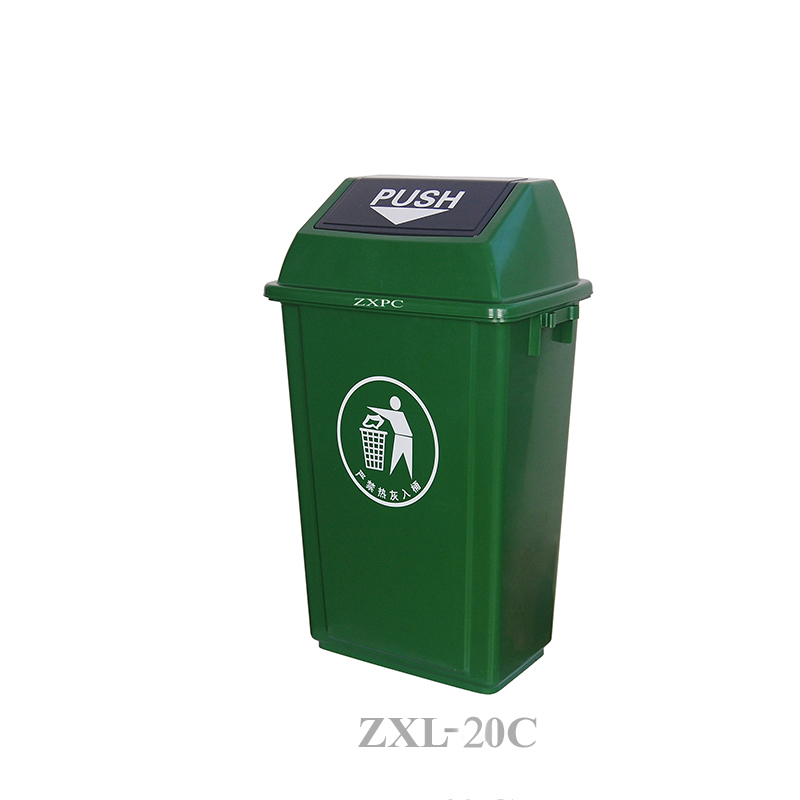
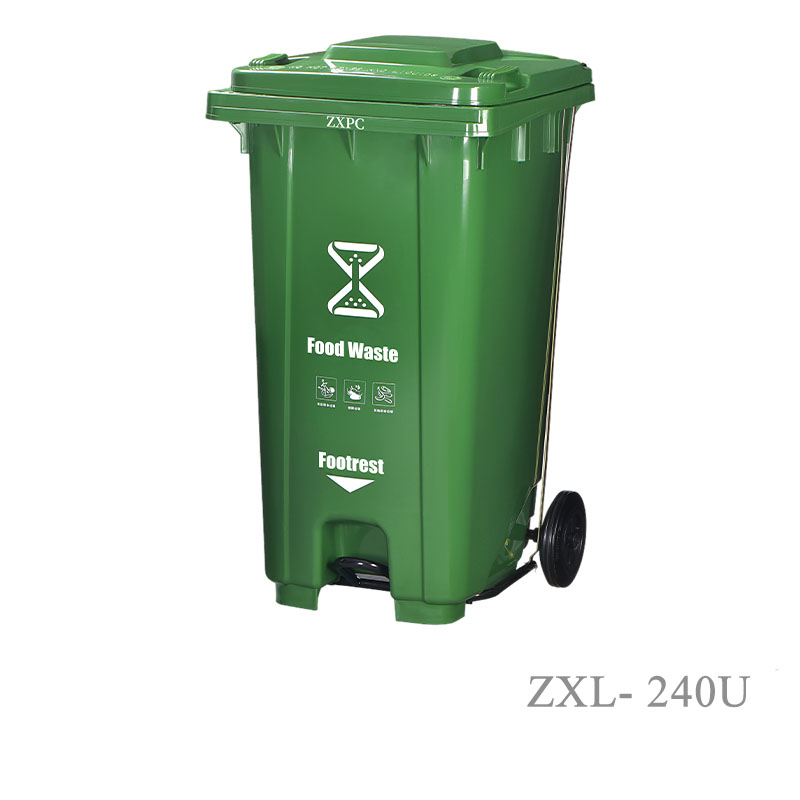
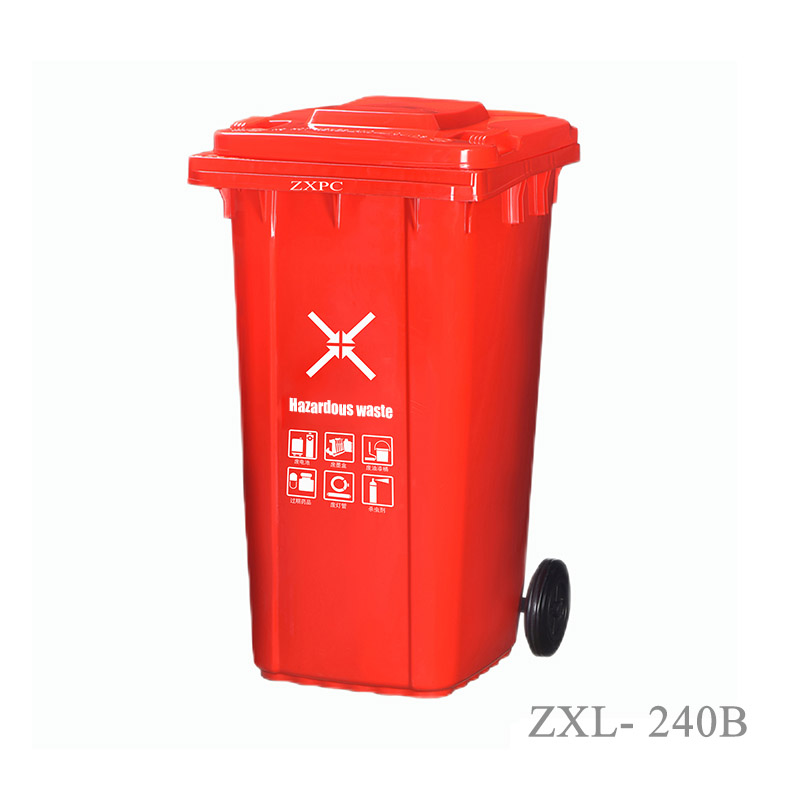
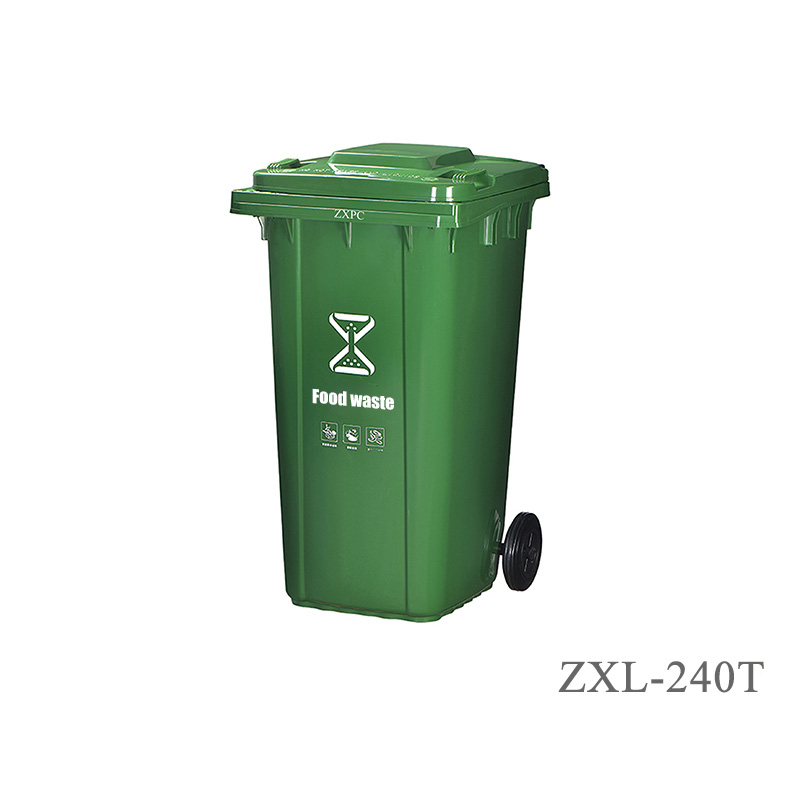
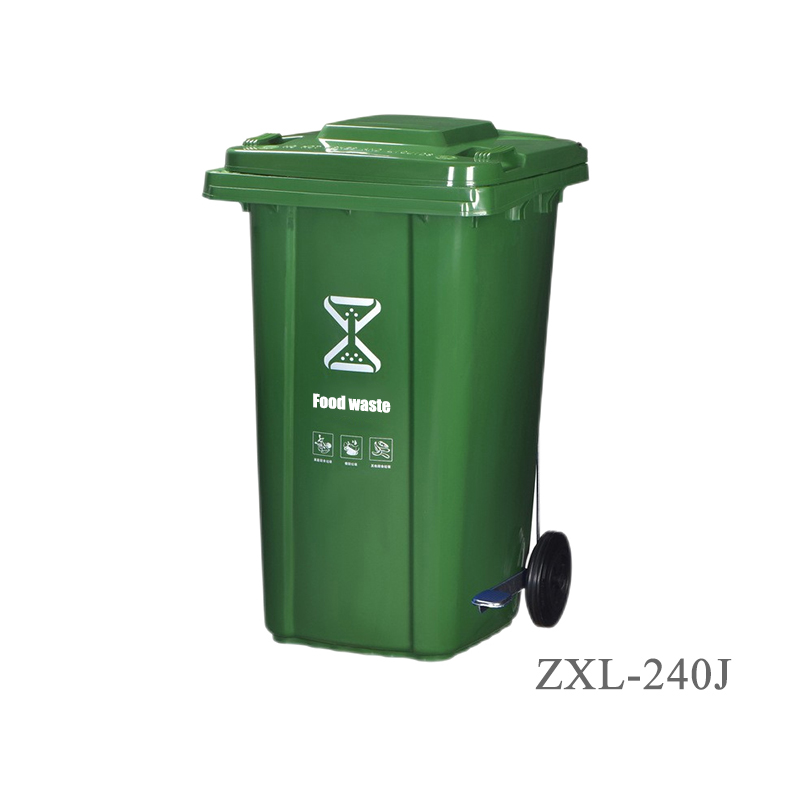
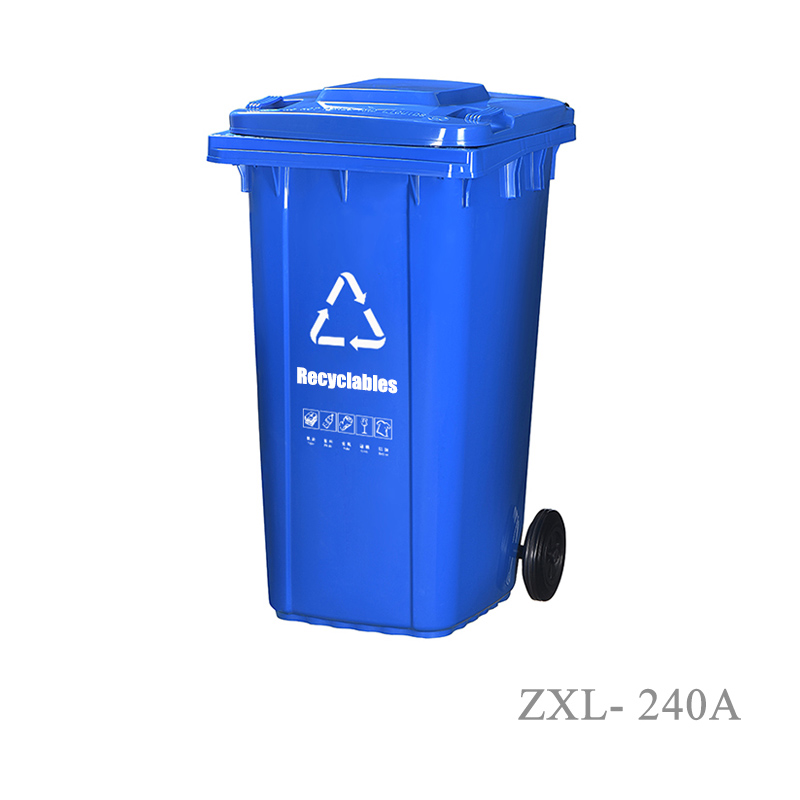
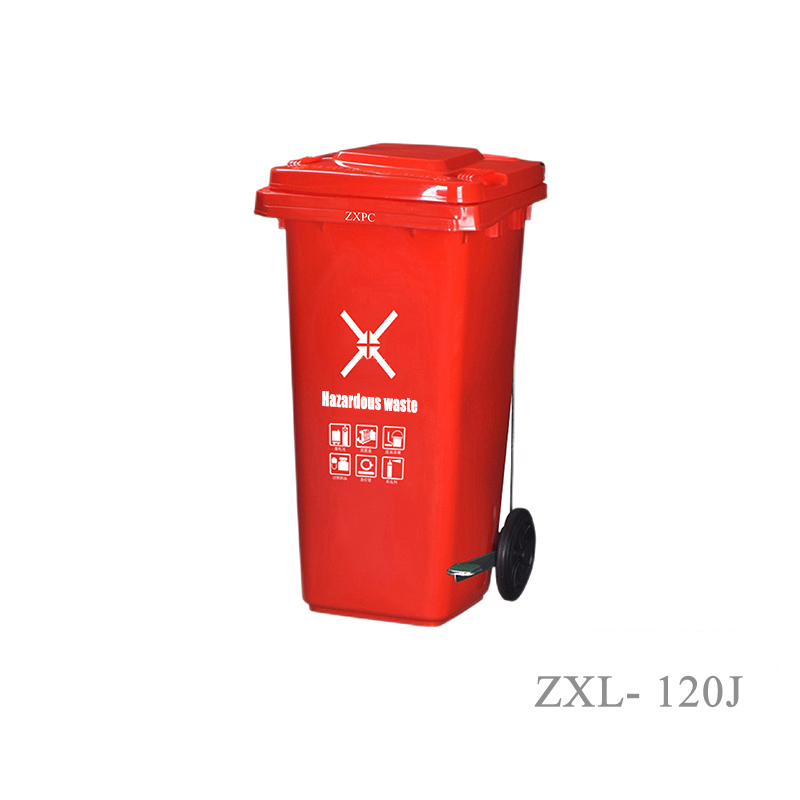
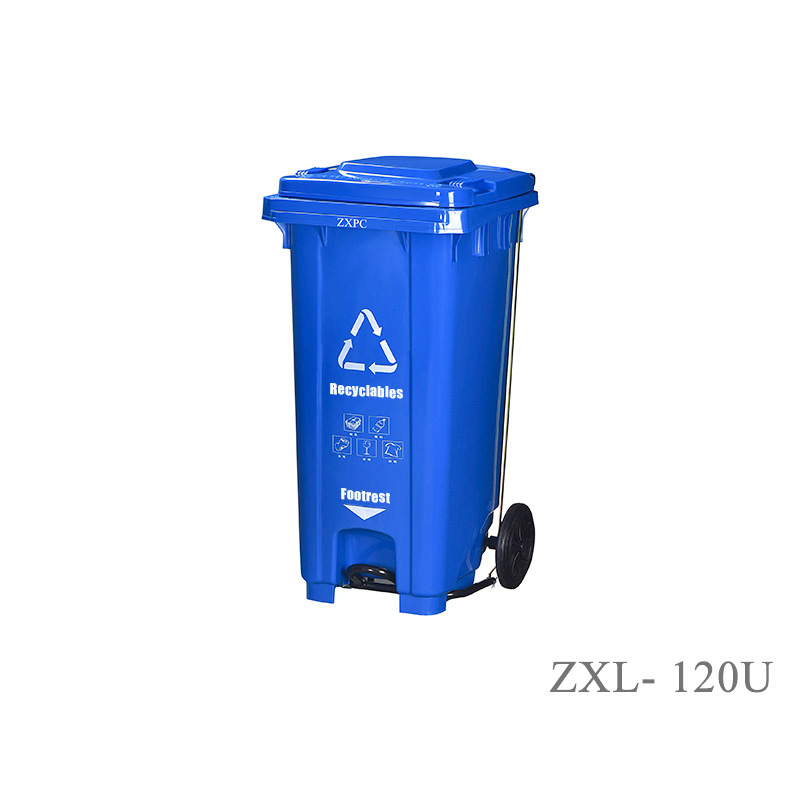
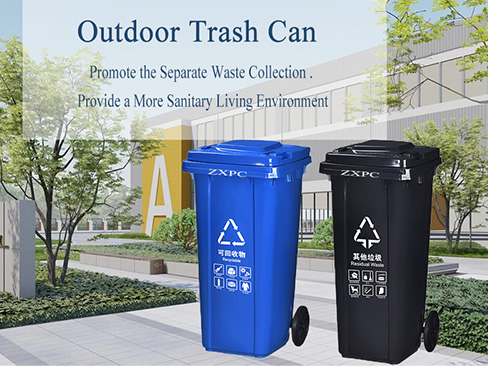
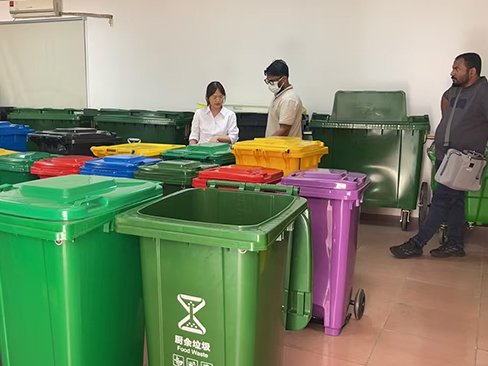
Maintaining cleanliness in outdoor spaces is paramount, especially when it comes to managing trash and recycling. The right outside trash cans not only help keep environments tidy but also play a crucial role in sustainable practices. By understanding what types of waste to collect, where to place containers, and how to encourage proper disposal, communities can foster healthier ecosystems and enhance the enjoyment of nature.
//image.chukouplus.com/upload/C_5163/file/20250116/fbb385d6cc60b5f1f8625629bd4bb72d.jpg
1. Understanding Different Types of Waste
- **Household Waste**: Typical refuse from everyday living including food, paper, and plastics.
- **Recyclables**: Items such as cardboard, glass, and metal that can be repurposed.
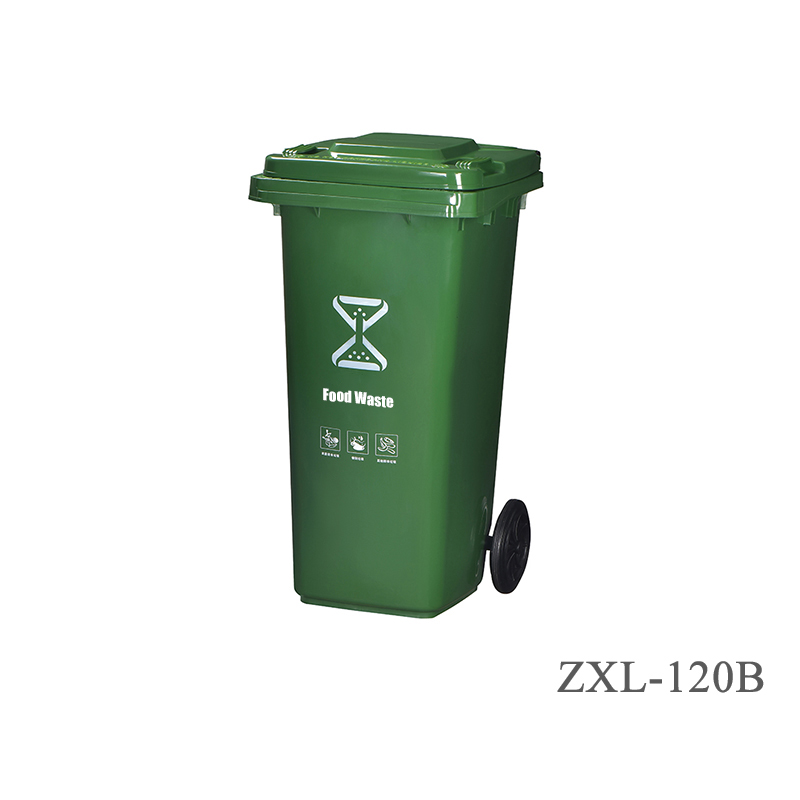
- **Compostable Material**: Organic waste including food scraps and yard waste that can decompose.
- **Hazardous Waste**: Chemicals and materials that require special handling such as batteries and paints.
Understanding these categories is essential for effective waste management in outdoor settings.
2. Choosing the Right Outside Trash Cans
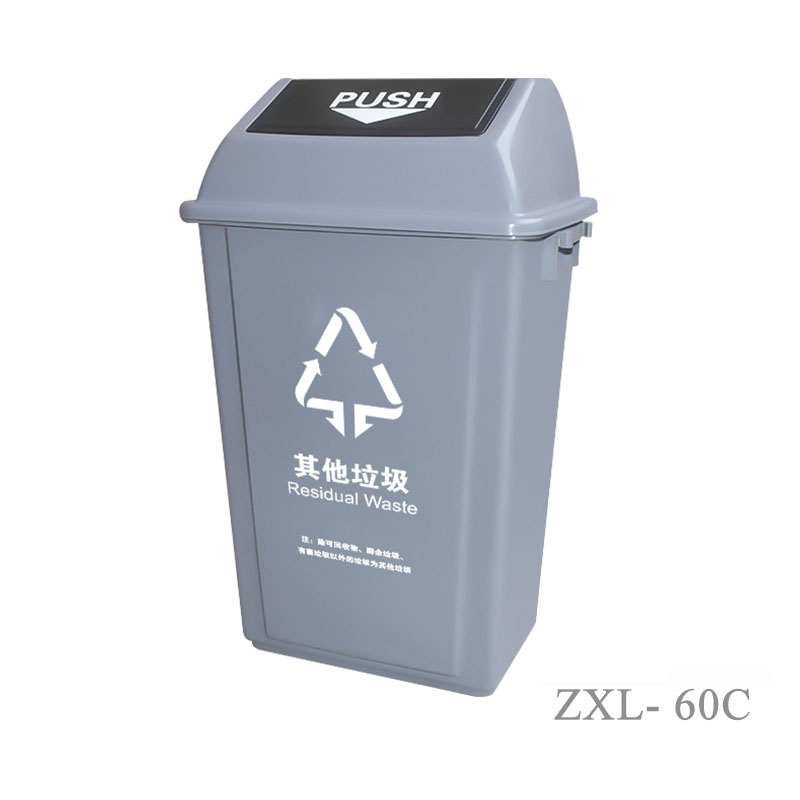
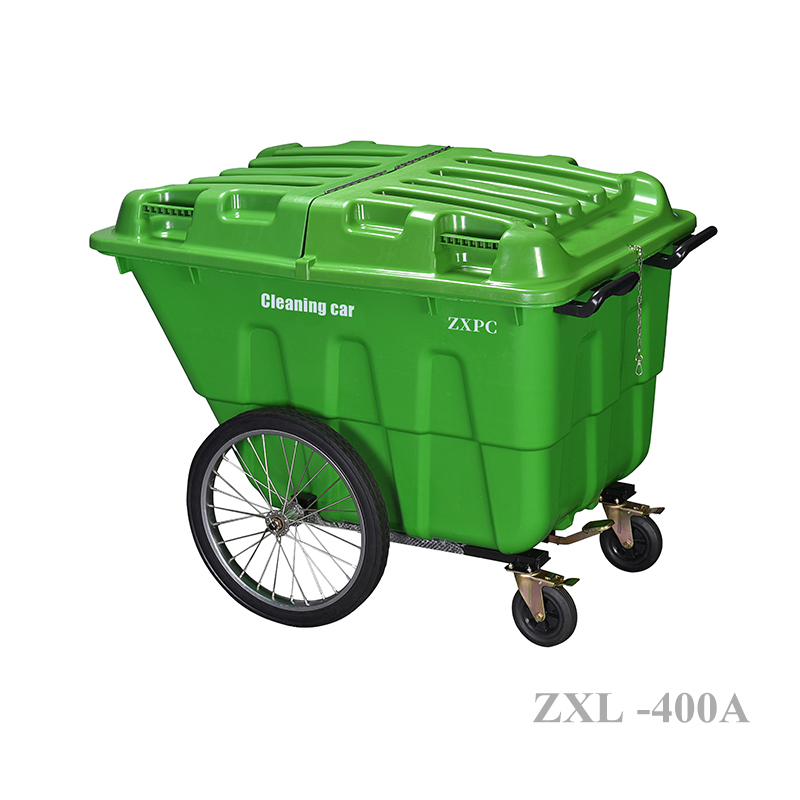
- **Material Considerations**: Opt for durable, weather-resistant materials such as stainless steel or heavy-duty plastic.
- **Size and Capacity**: Ensure the containers are appropriately sized for the expected volume of trash and recyclables.
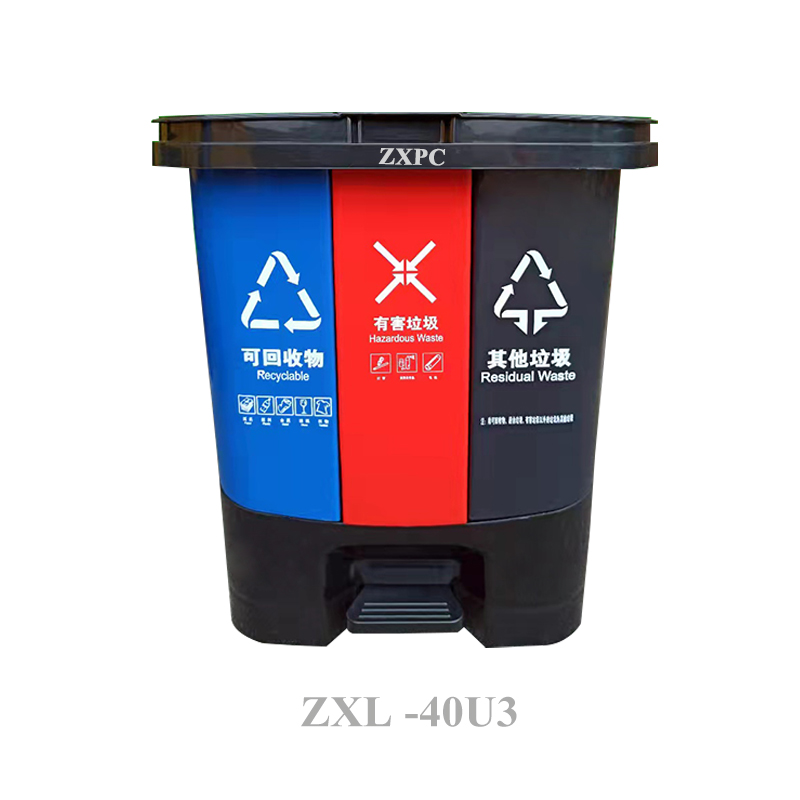
- **Collective Systems**: Implement dual or multi-bin systems to separate waste types easily.
- **Location and Accessibility**: Strategically place trash cans at high foot-traffic areas like parks, picnic spots, and walking trails.
3. Educating the Community on Proper Disposal
- **Informational Signage**: Use clear, visible signs on or near canisters to guide users on what can be discarded.
- **Regular Workshops**: Organize community workshops to promote recycling benefits and proper waste segregation practices.
- **Incentives for Participation**: Encourage recycling through reward programs that recognize individuals or groups who lead by example.
4. Implementing a Recycling Program
- **Research Local Guidelines**: Understand local regulations and resources for recycling.
- **Partnerships with Local Recycling Facilities**: Connect with local waste management to establish a streamlined recycling process.
- **Promote Reusable Options**: Encourage the use of reusable items like water bottles and containers to reduce waste.
5. Monitoring and Maintenance
- **Regular Emptying**: Schedule frequent collection of trash bins to prevent overflow.
- **Inspections for Damage**: Regularly check cans for wear and tear to ensure continued functionality.
- **Feedback Mechanism**: Enable a way for the community to report issues regarding trash management effectively.
6. Key Environmental Benefits of Effective Waste Management
- **Reduced Landfill Waste**: Effective recycling can significantly decrease the amount of garbage sent to landfills.
- **Resource Conservation**: Recycling conserves natural resources by reusing materials instead of extracting new ones.
- **Community Well-Being**: A cleaner environment leads to improved physical and mental health for community members.
7. Additional Considerations for Sustainable Outdoor Practices
- **Encouraging Cleanup Events**: Facilitate regular community cleanups to maintain outdoor spaces.
- **Promoting Green Alternatives**: Advocate for biodegradable options over traditional plastics.
- **Integrating Technology**: Utilize apps to track waste and recycling habits within the community.
By implementing these steps, communities can transform how they manage trash and recycling outdoors, leading to cleaner environments and an enhanced appreciation for nature. For further learning on waste management, consider visiting reputable platforms such as EPA.gov or local environmental agencies.