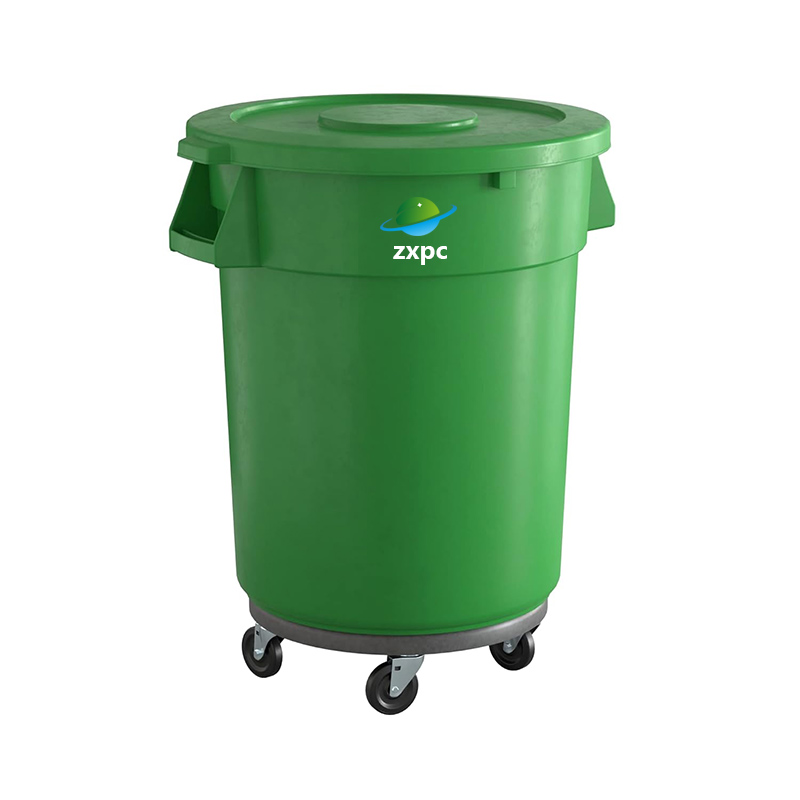
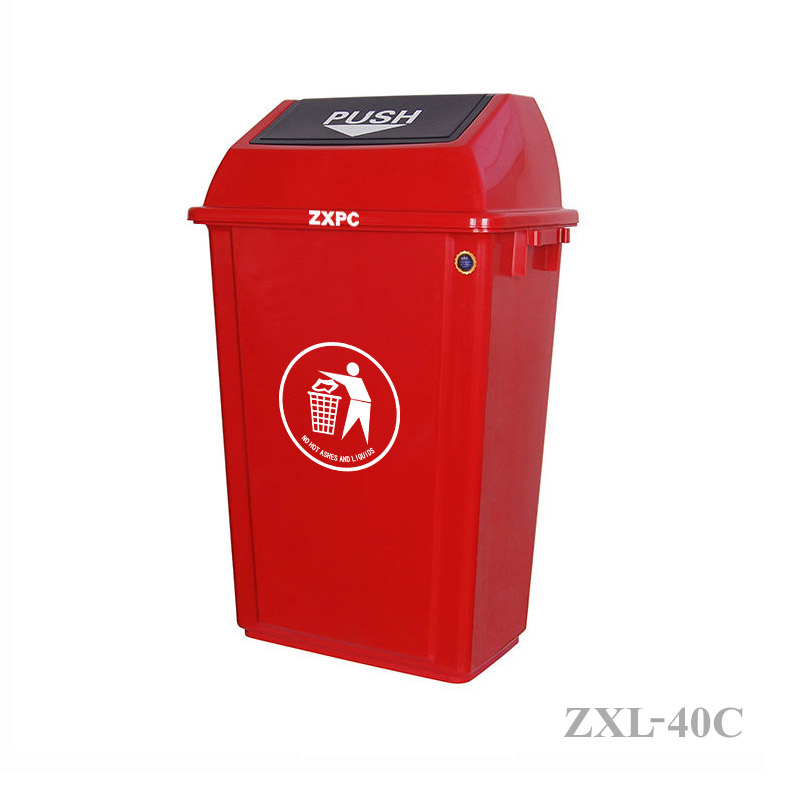
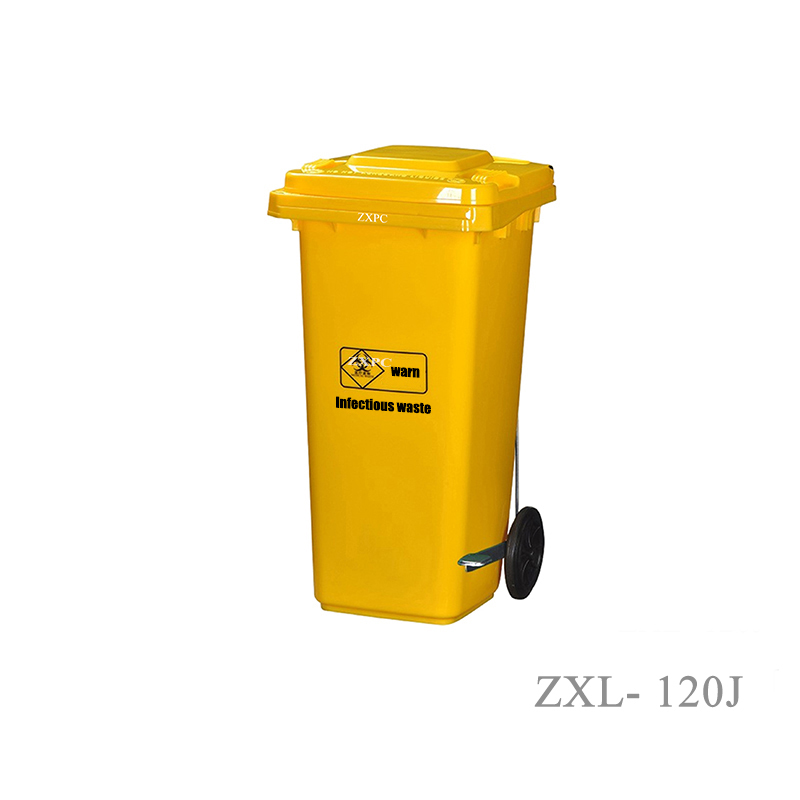
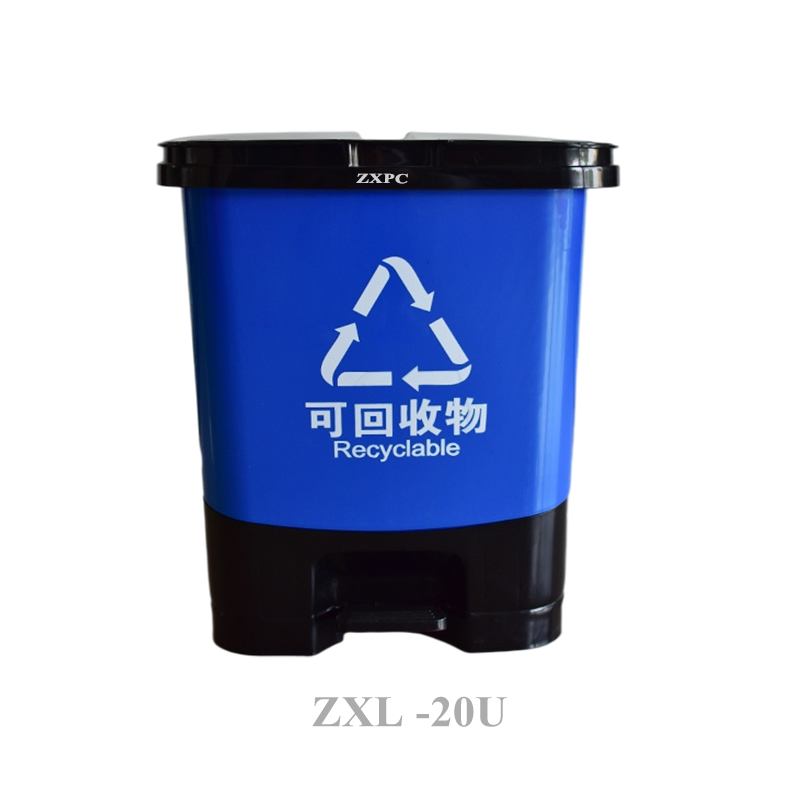
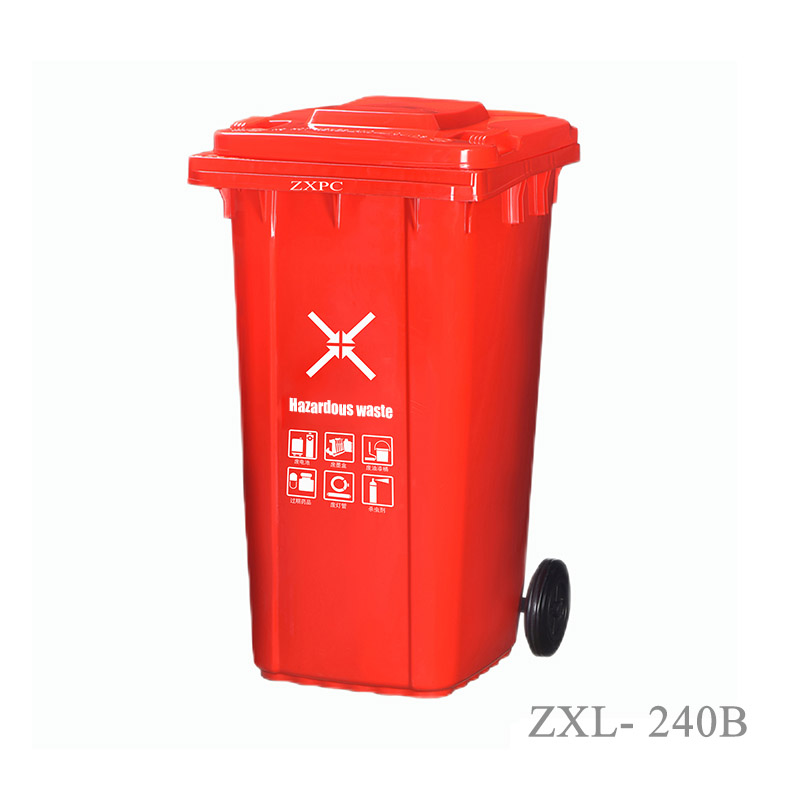
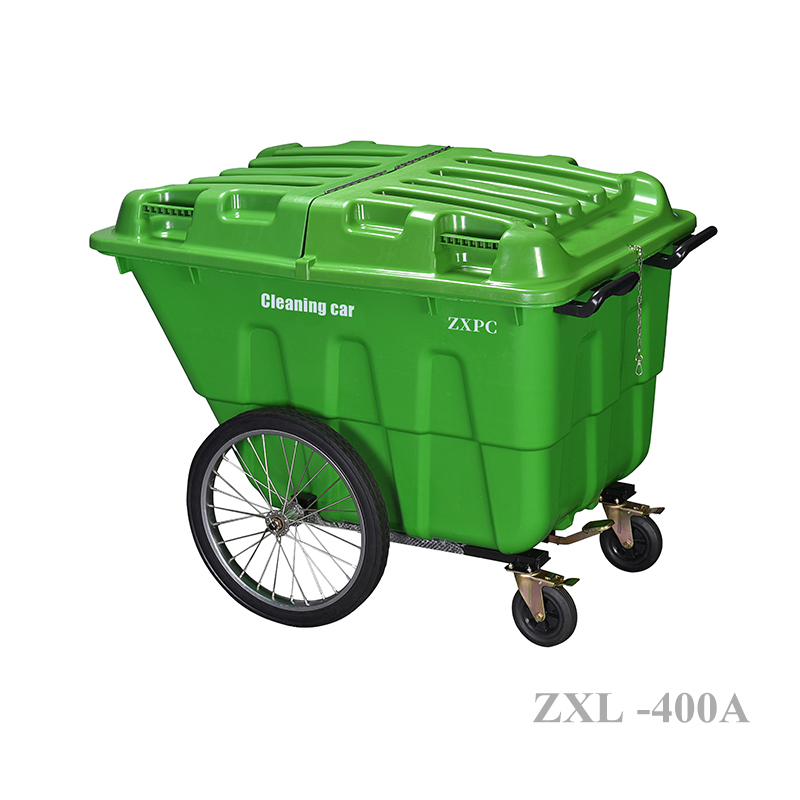
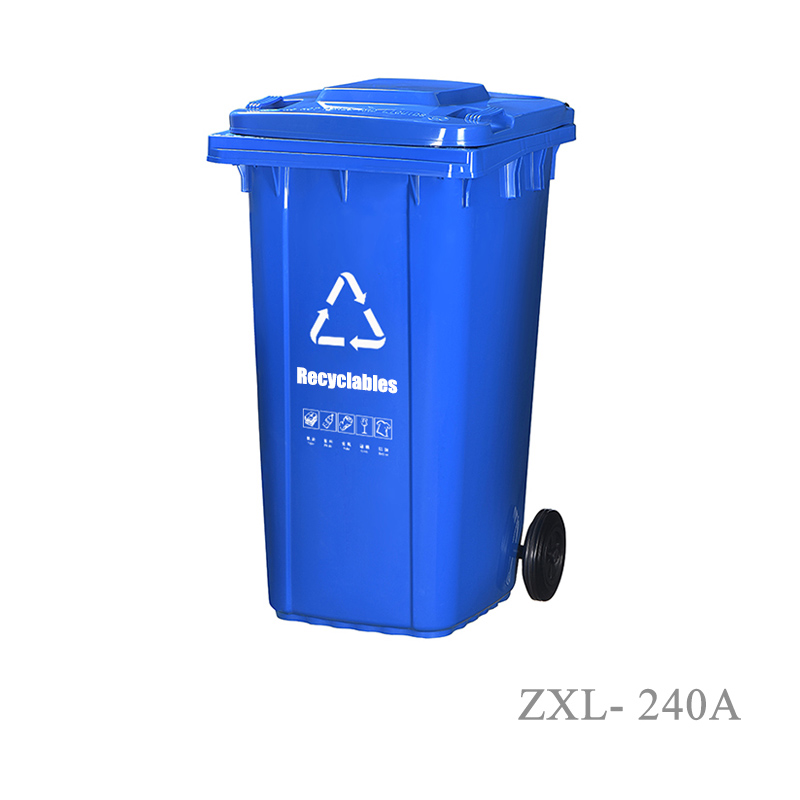
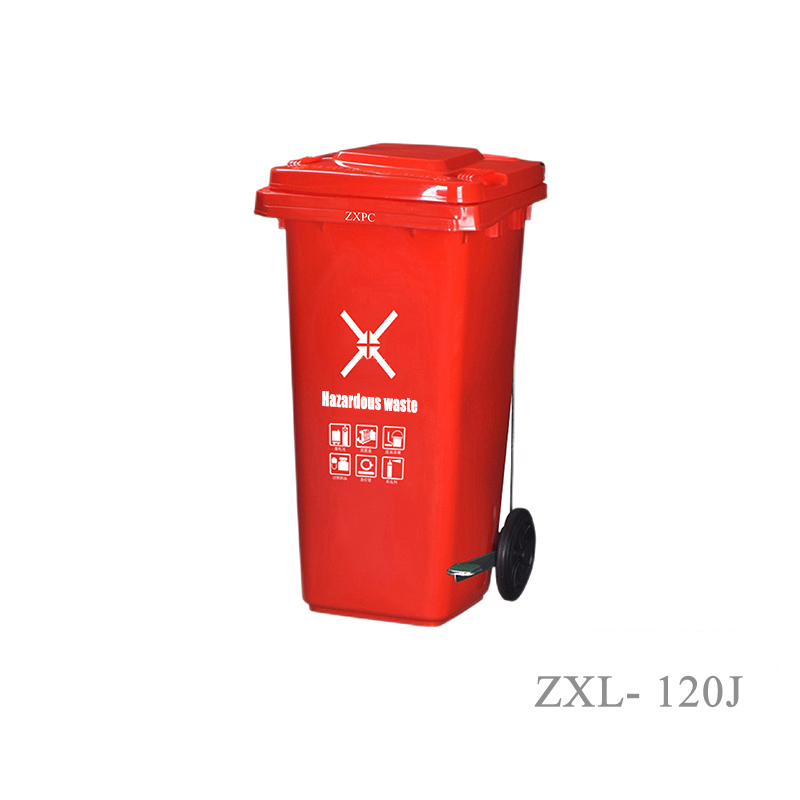
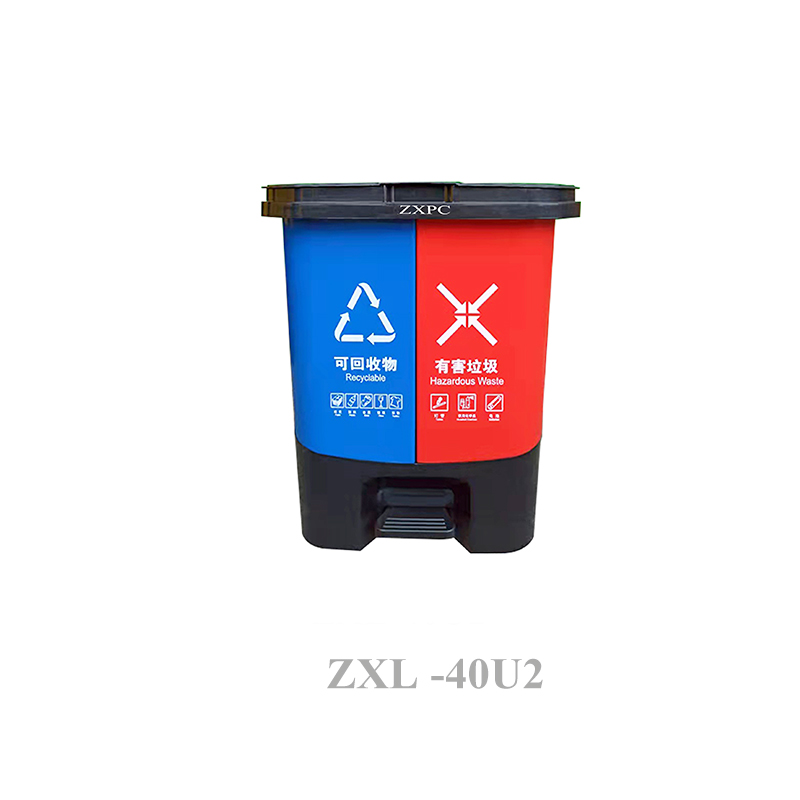
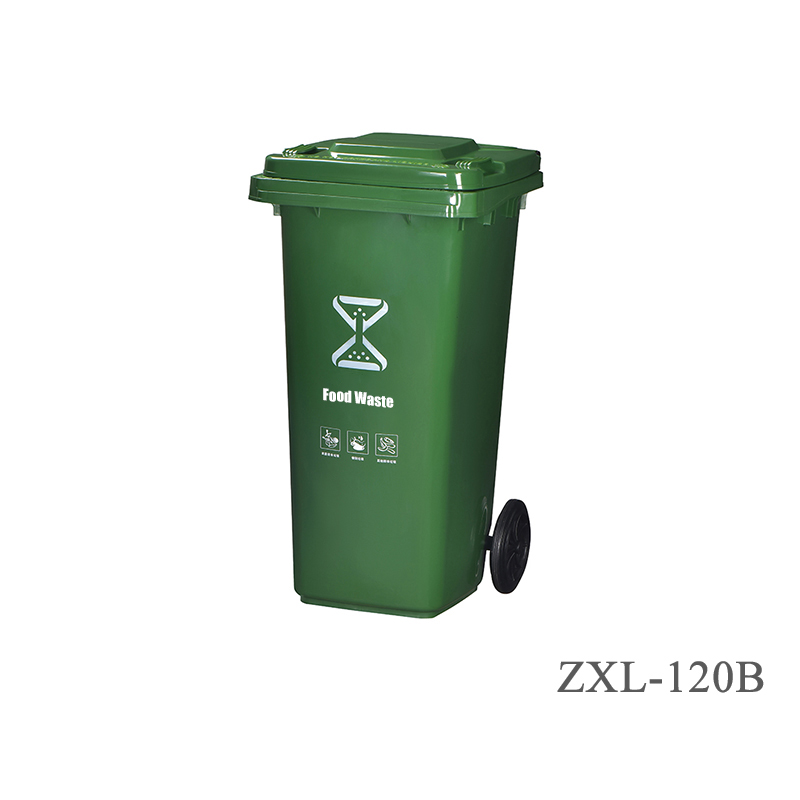
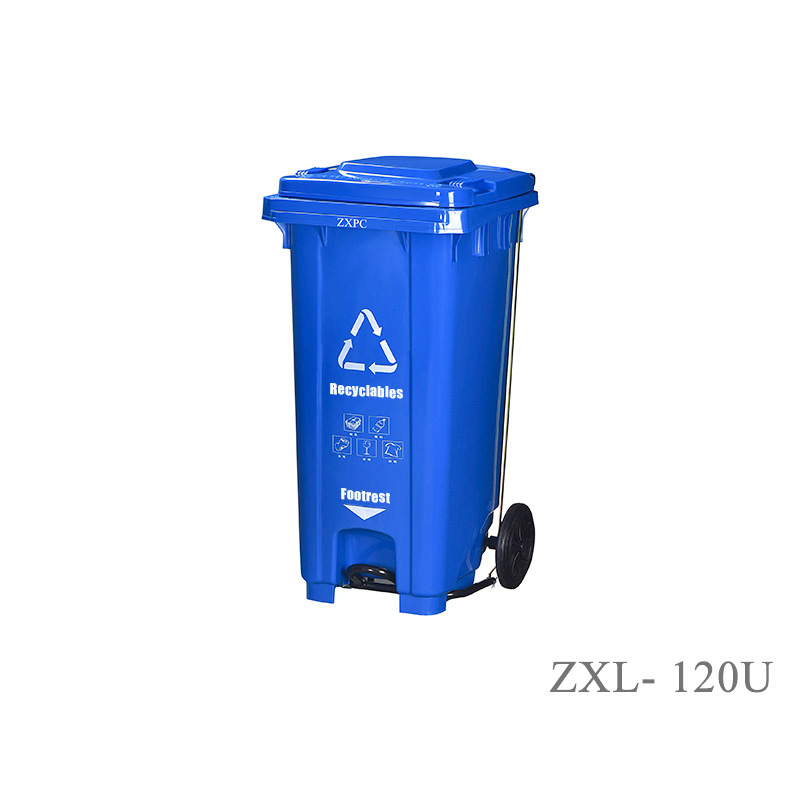
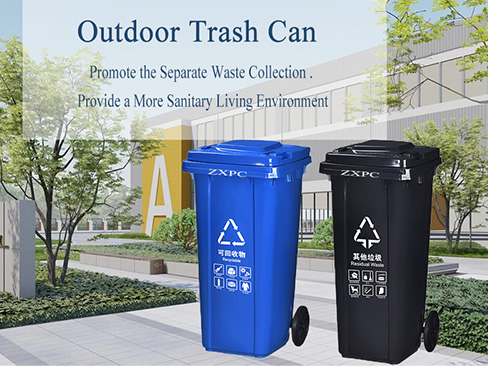
The first step in selecting the right garbage bin is to evaluate the types of waste generated at your site. This could include organic waste, recyclables, or general trash. Knowing the waste stream helps in choosing bins designed for specific waste types, improving efficiency and compliance. Consider using three distinct bins labeled for organic, recyclable, and general waste.
Assessing the appropriate size of garbage bins for your site is crucial. Consider the volume of waste produced regularly to avoid overflow issues. Common bin sizes range from 10 to 100 gallons, depending on site usage and waste frequency. A larger bin may reduce pick-up frequency, saving costs in the long run.
| Bin Size (Gallons) | Capacity (Cubic Feet) | Recommended For |
|---|---|---|
| 10 | 1.3 | Small Offices |
| 32 | 4.3 | Medium-Sized Businesses |
| 55 | 7.4 | Large Companies |
| 100 | 13.3 | High Waste Areas |
Garbage bins come in various materials, each with its advantages and disadvantages. Common options include plastic, metal, and wood. If durability is a priority, consider metal bins, particularly galvanized steel. On the other hand, plastic bins are often lighter and may have better weather resistance but can be less durable under harsh conditions.
The placement of garbage bins affects their usage. Bins should be placed in clearly marked areas to encourage proper disposal. For high traffic areas, consider optimal accessibility, ensuring that bins are easy to reach and clearly labeled. Additionally, bins should be located away from walking paths to avoid accidents.
Start -> Evaluate Traffic Areas -> Identify Waste Sources -> Consider Accessibility -> Place Bins -> Monitor Usage
While functionality is essential, aesthetics cannot be overlooked. Choose garbage bins that blend well with the environment of your site. Using color coding can aid recognition, while stylish designs can enhance the overall site appearance. Engaging designs can encourage proper waste disposal and reflect your brand's commitment to cleanliness.
When selecting garbage bins, consider the overall cost, including purchase, maintenance, and emptying costs. Investing in high-quality bins may lead to lower long-term costs. Regular maintenance, including cleaning and repairs, can extend bin life and reduce the need for early replacements.
| Item | Estimated Cost ($) |
|---|---|
| Plastic Bin (32 Gallons) | 50 |
| Metal Bin (32 Gallons) | 100 |
| Annual Maintenance | 30 |
| Disposal Fees | 150 |
If you would like more information about this product, please feel free to contact us. Recommend other popular products for you.: outside trash cans