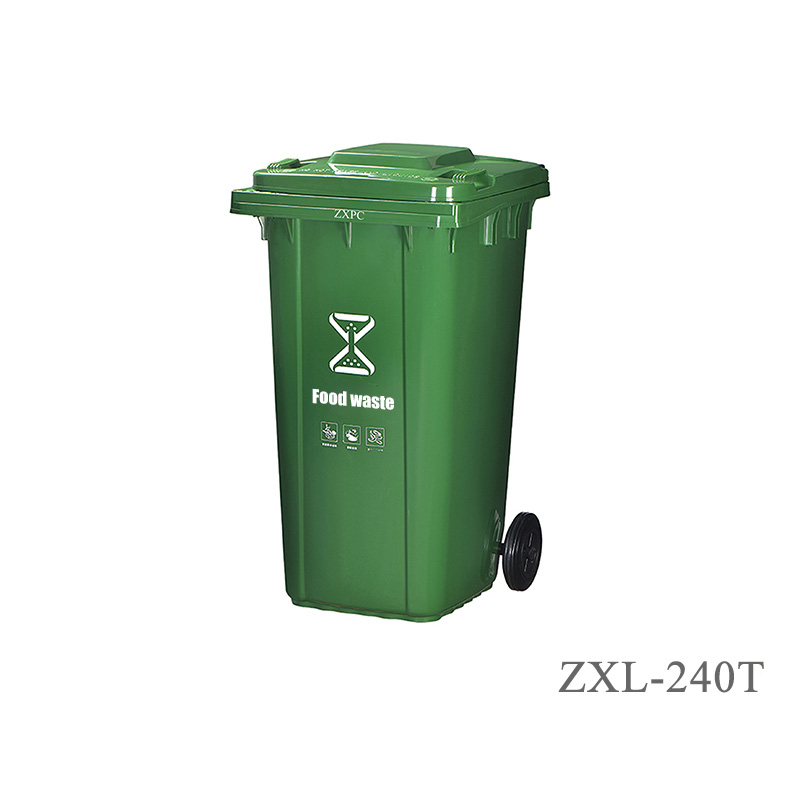
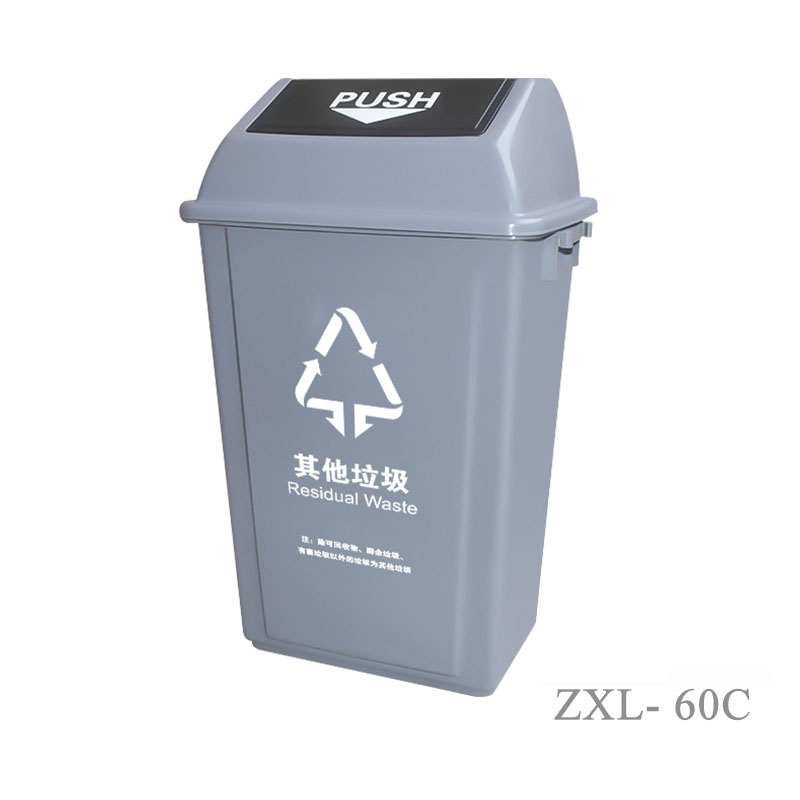
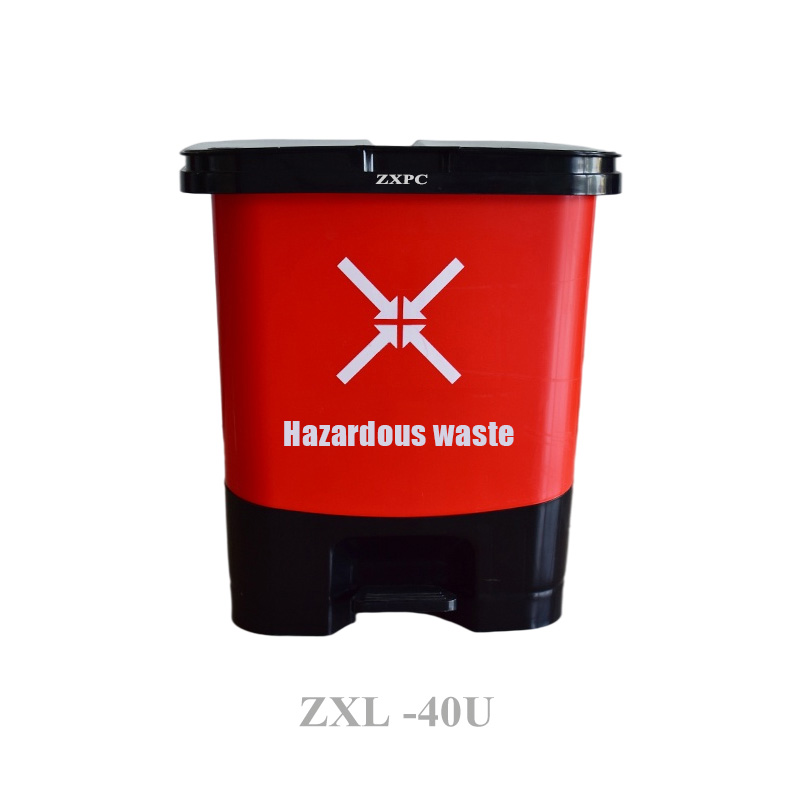
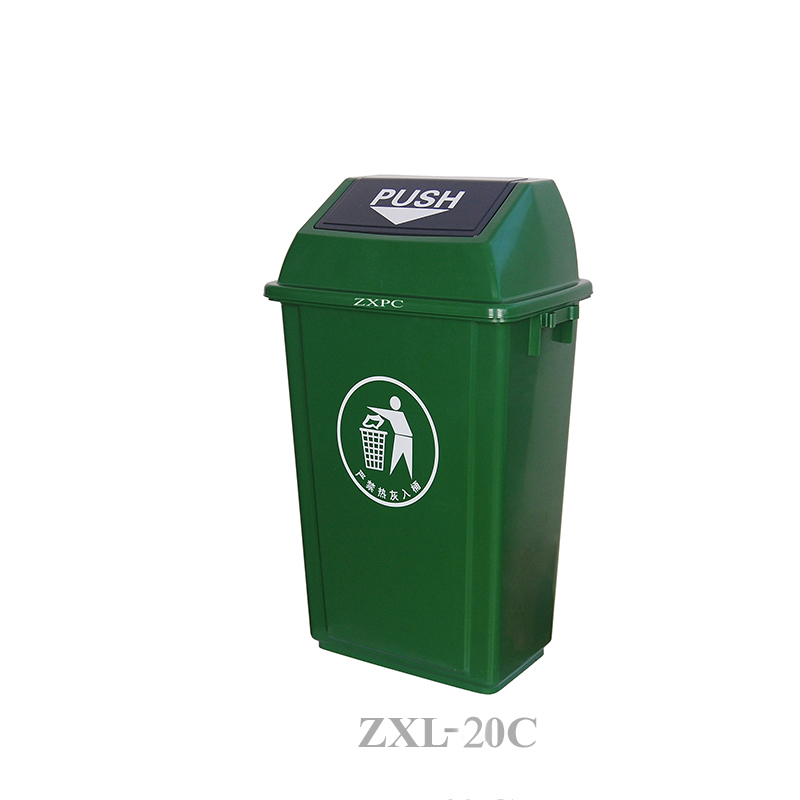
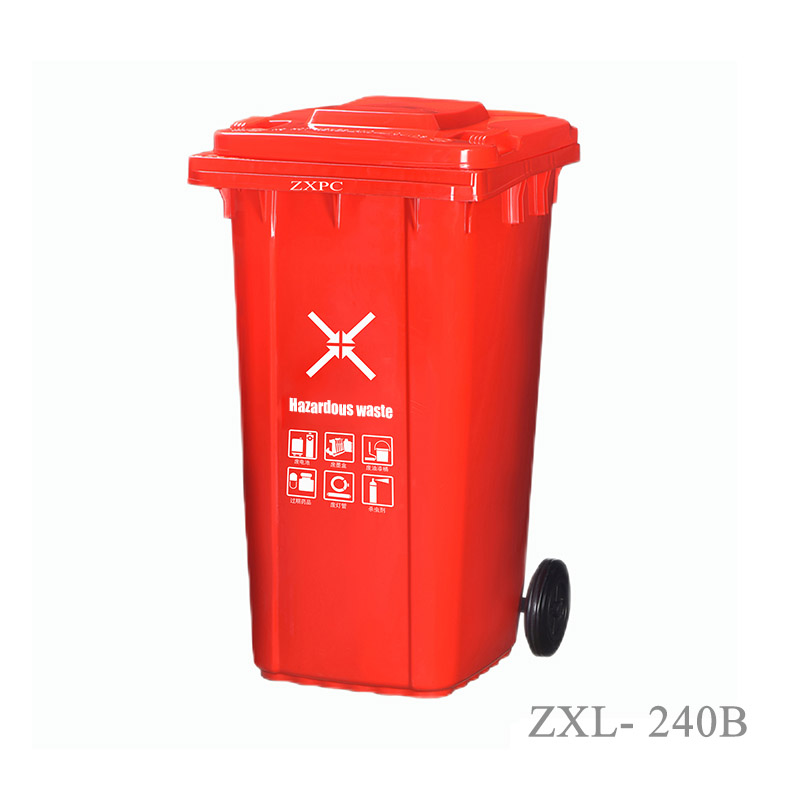
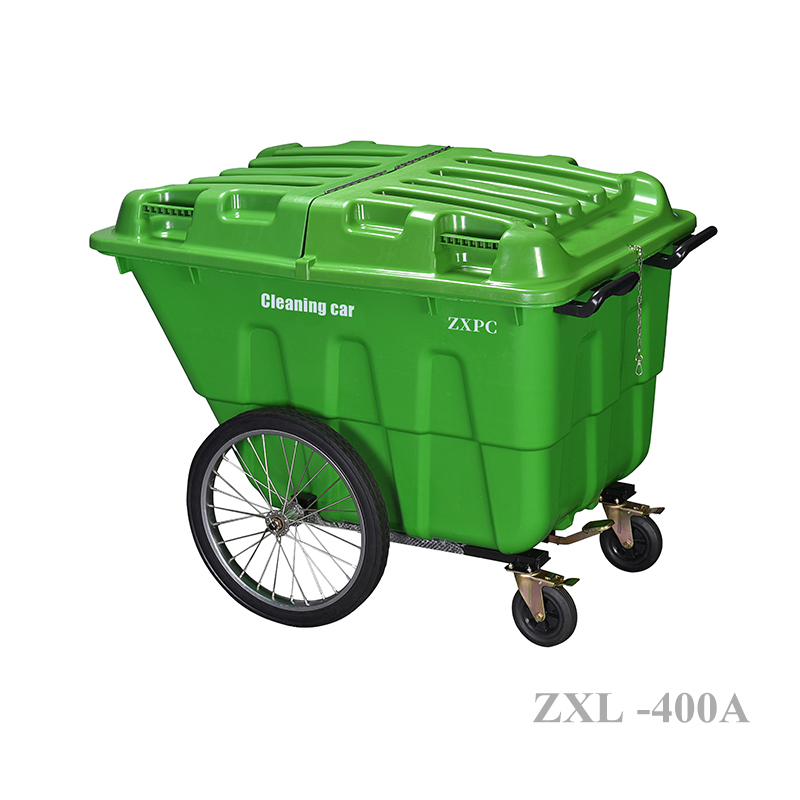
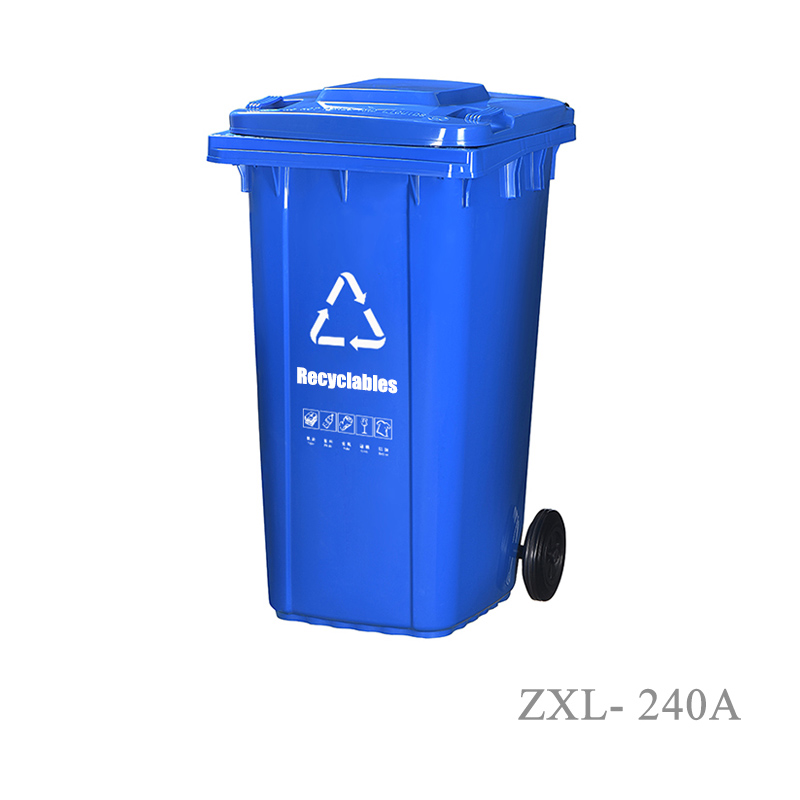
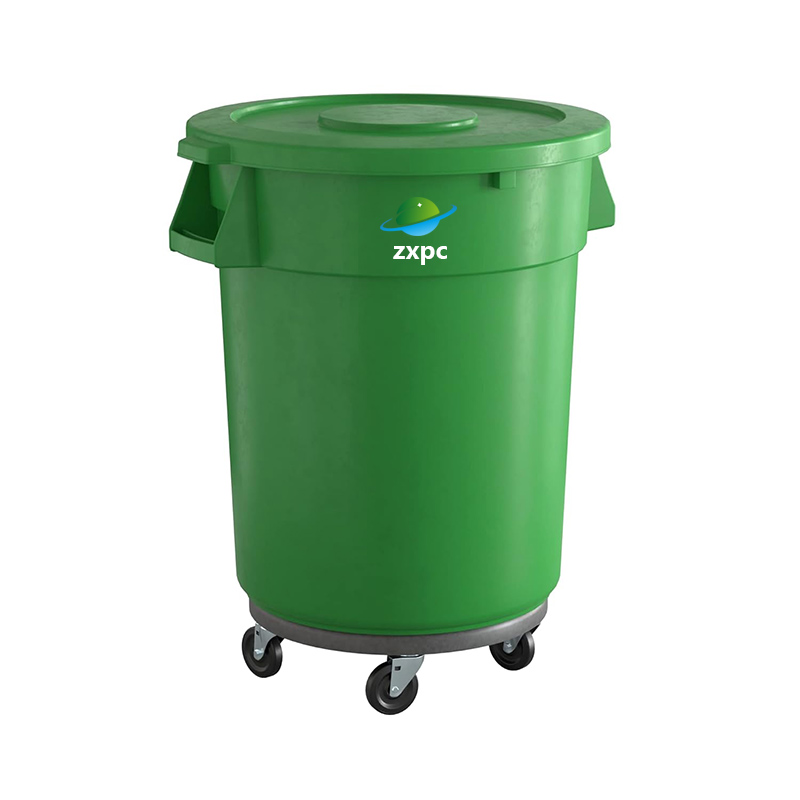
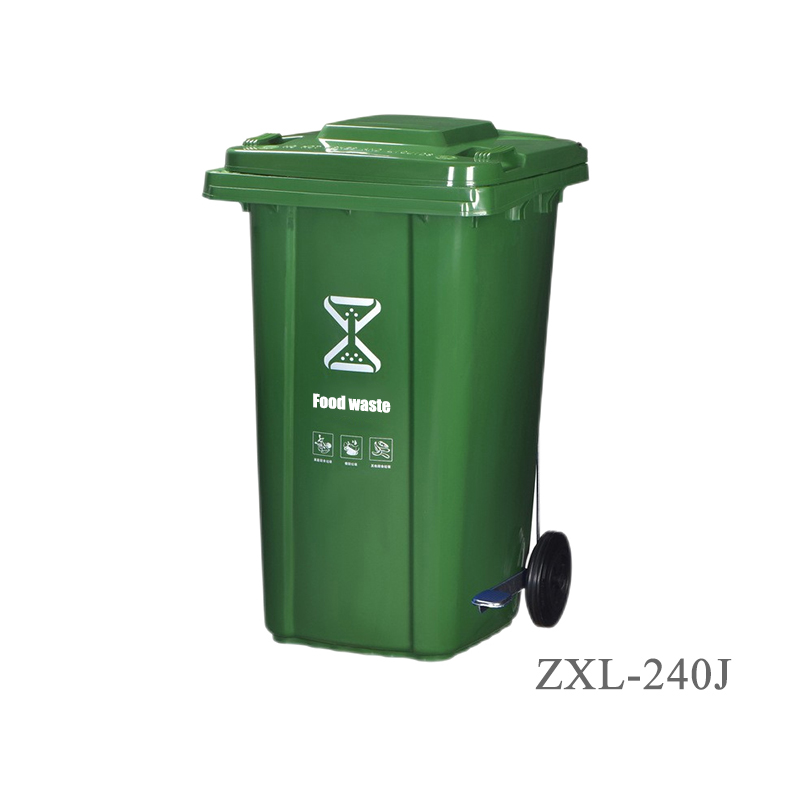
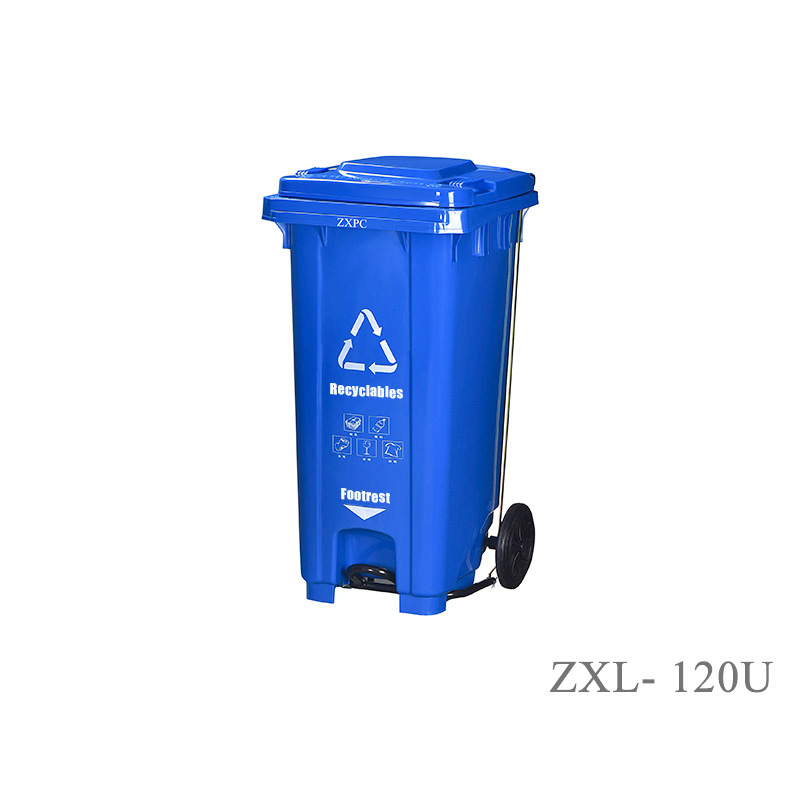
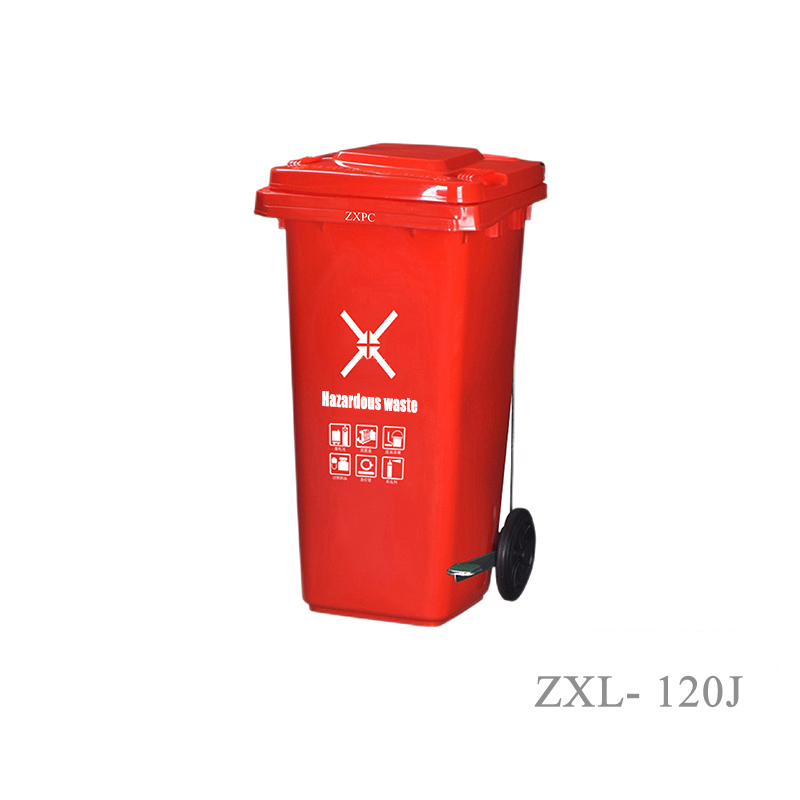
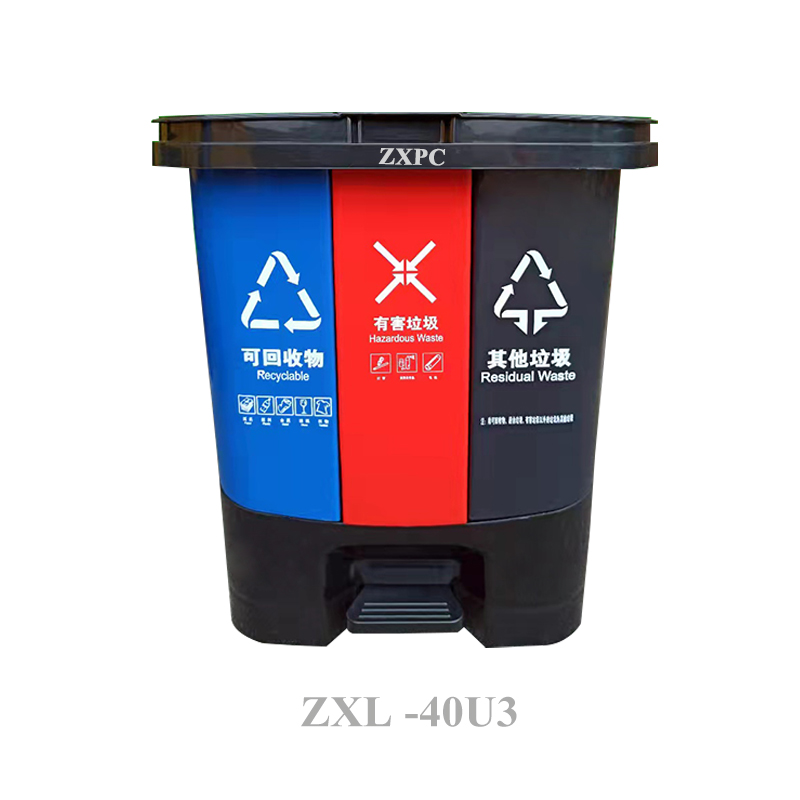
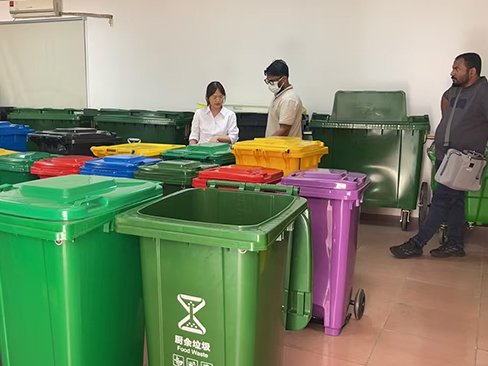
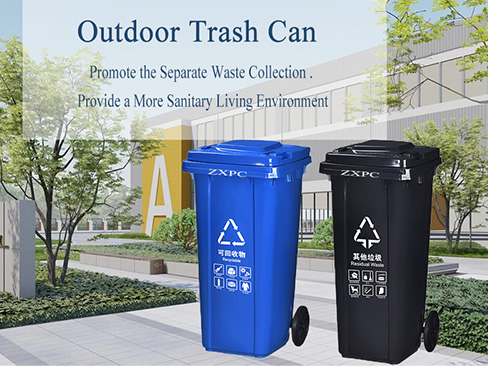
In urban environments, the prevalence of litter can significantly affect the quality of life. Users often seek solutions to the constantly growing issue of waste management and street cleanliness. One common question is, “How can effective trash cans reduce litter and promote cleaner streets?” Effective trash cans are not just about aesthetics; they play a crucial role in urban pollution management, with data showing that areas with strategically placed trash bins can see litter reduction by up to 45%. The demand for durable, spacious, and appealing trash cans has risen in cities seeking to maintain their cleanliness, especially with innovations like ZXPC's smart waste disposal solutions.
Street cleanliness issues stem from various factors, including insufficient waste disposal solutions, lack of education on proper trash disposal, and the behavioral tendencies of citizens. Users often express frustration about overflowing trash cans leading to litter strewn across sidewalks, attracting pests, and harming urban aesthetics. These frustrations are valid, and addressing them requires robust solutions. Implementing effective waste management strategies, like optimizing trash can locations and designs, can lead to cleaner streets. Cities need to ensure adequate infrastructures, such as the ZXPC outdoor trash cans, which can accommodate larger volumes and are designed to withstand weather conditions, thereby educating the public on responsible waste disposal.
Choosing effective outside trash cans requires thorough research and consideration of several factors. First, evaluate the areas where litter is prevalent. Second, consider the volume of waste generated in these locations. Third, examine the materials used in trash cans. For example:
Many cities face pitfalls when implementing effective trash can systems. One common error is underestimating the required number of bins. Surveys show that areas with insufficient trash can placements experience litter levels approximately 35% higher than those with appropriately placed cans. It’s essential to:
In conclusion, effective trash cans, like those offered by ZXPC, are vital to maintaining cleaner streets and enhancing urban environments. By identifying user pain points, preparing meticulously, and following a structured approach to implementation and monitoring, cities can significantly improve their waste management initiatives. It's not just about placing bins; it's about creating a culture of cleanliness through education and engagement.
Conduct surveys to identify litter hotspots and observe foot traffic patterns to ensure effectiveness.
High-density polyethylene or metal cans are recommended for their durability and resistance to weather elements.
Weekly checks are advisable in high-traffic areas, while less frequented locations can be assessed biweekly or monthly.