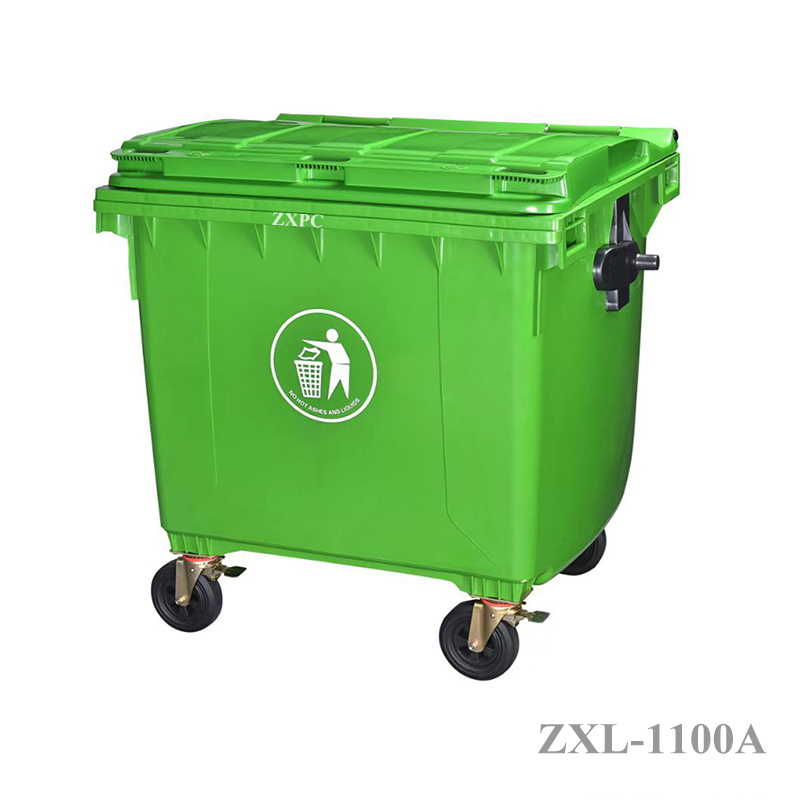
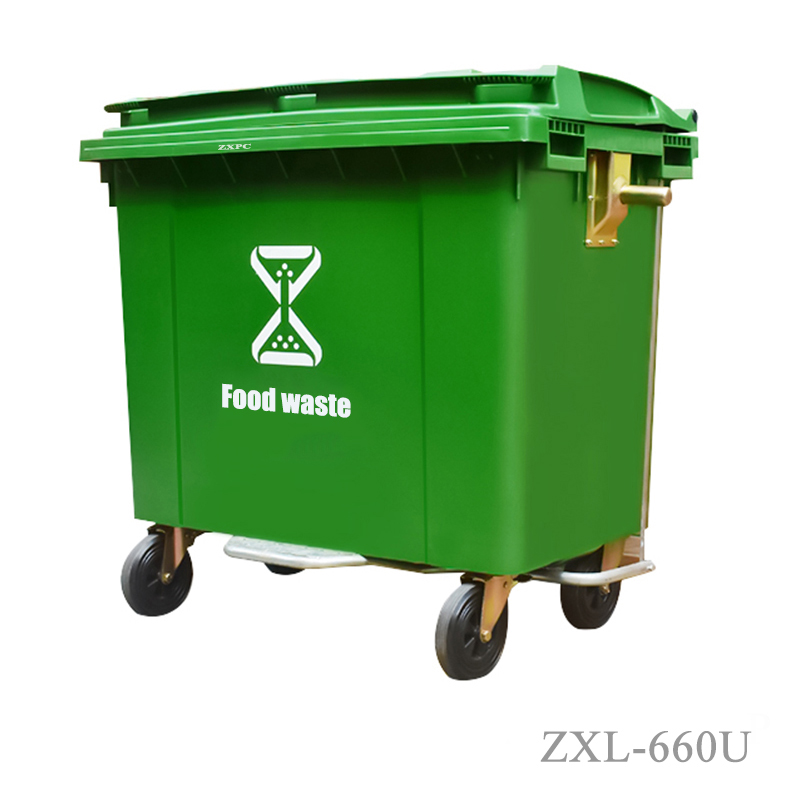
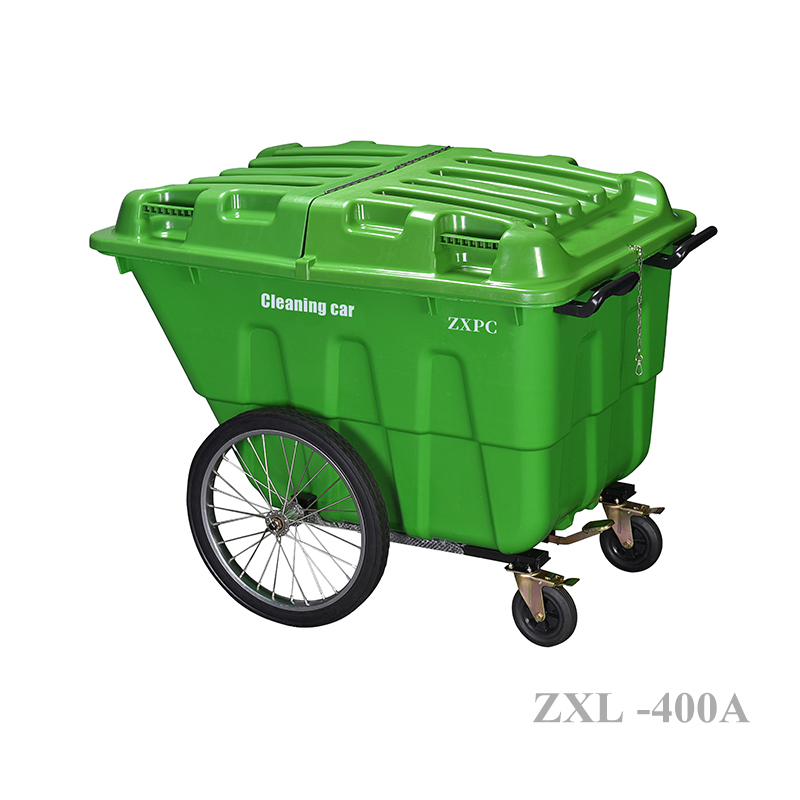
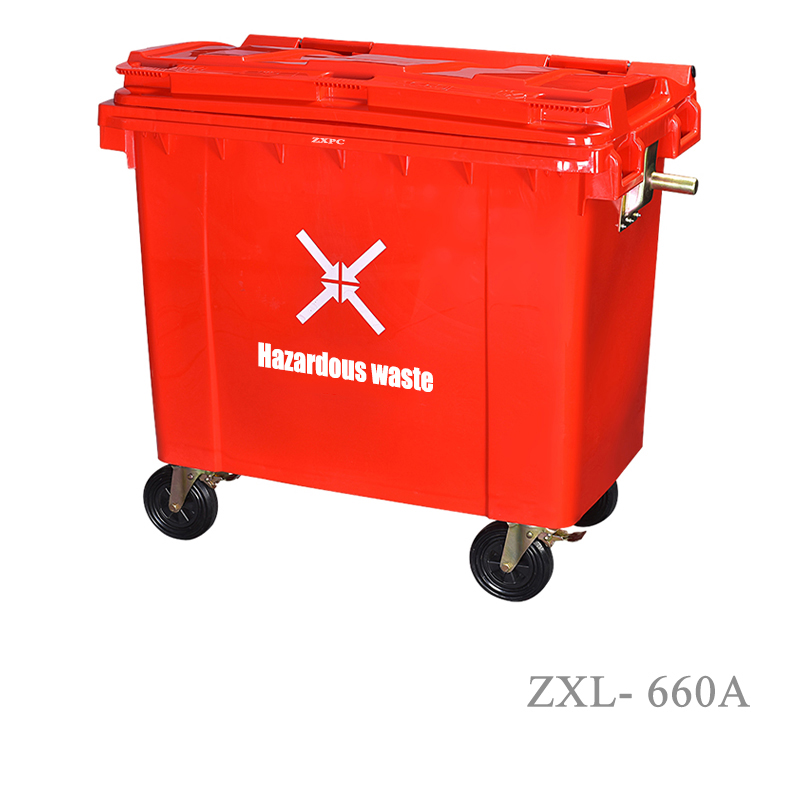
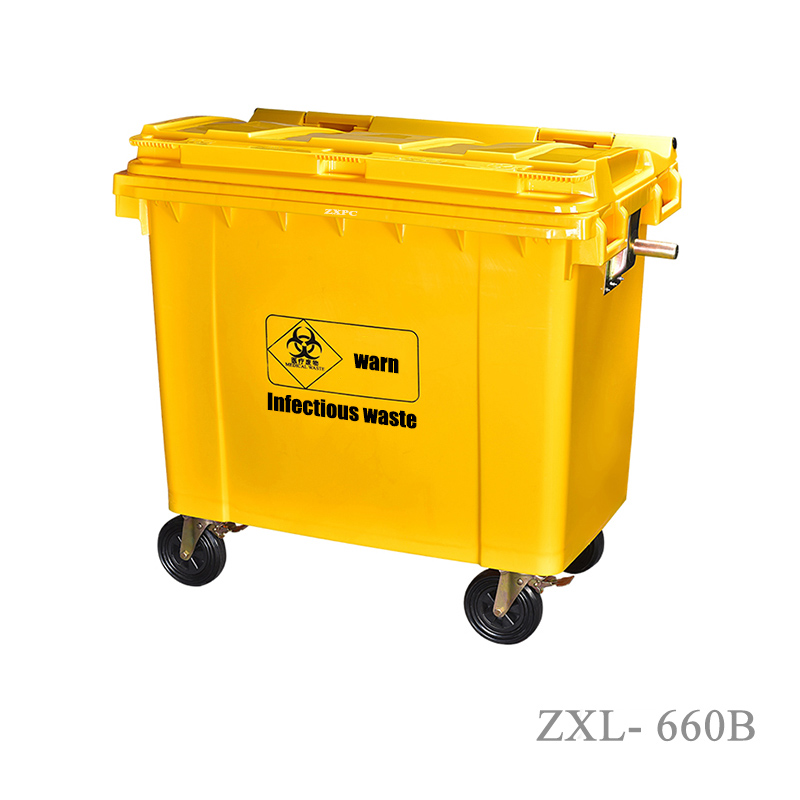
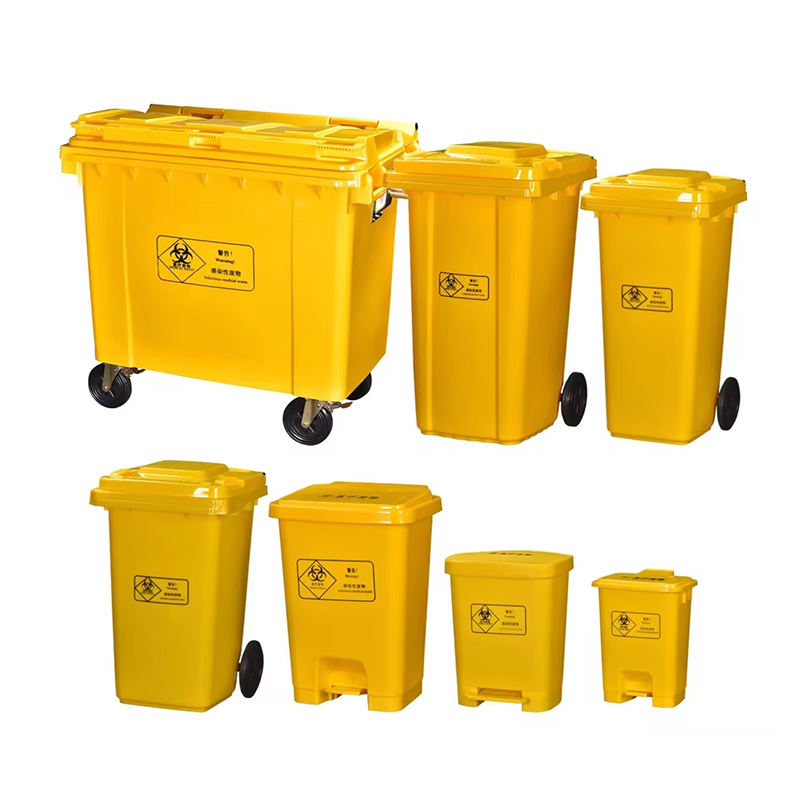
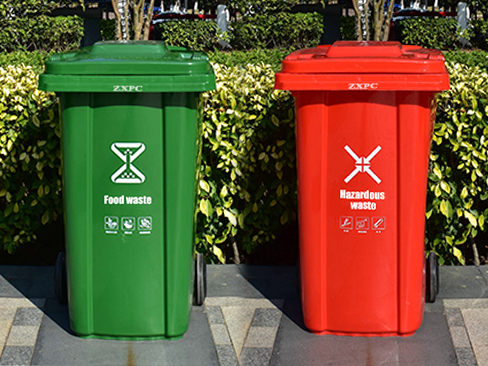
Improper disposal of medical waste poses significant health risks, including the contamination of the environment and communities. The use of dedicated Medical Waste Bins is essential for ensuring safe and compliant disposal of hazardous materials. This article offers practical tips to guide healthcare professionals and individuals on effective disposal practices and how utilizing Medical Waste Bins such as those from ZXPC can safeguard both public health and the environment.
Medical Waste Bins are specifically designed containers that safely store and segregate hazardous waste, which includes sharps, biohazardous materials, and other forms of medical refuse. These bins help prevent injury and exposure to infectious substances, importantly mitigating health risks associated with medical waste.
Title: Segregate Your Waste
Why: Proper segregation prevents cross-contamination and ensures compliant disposal.
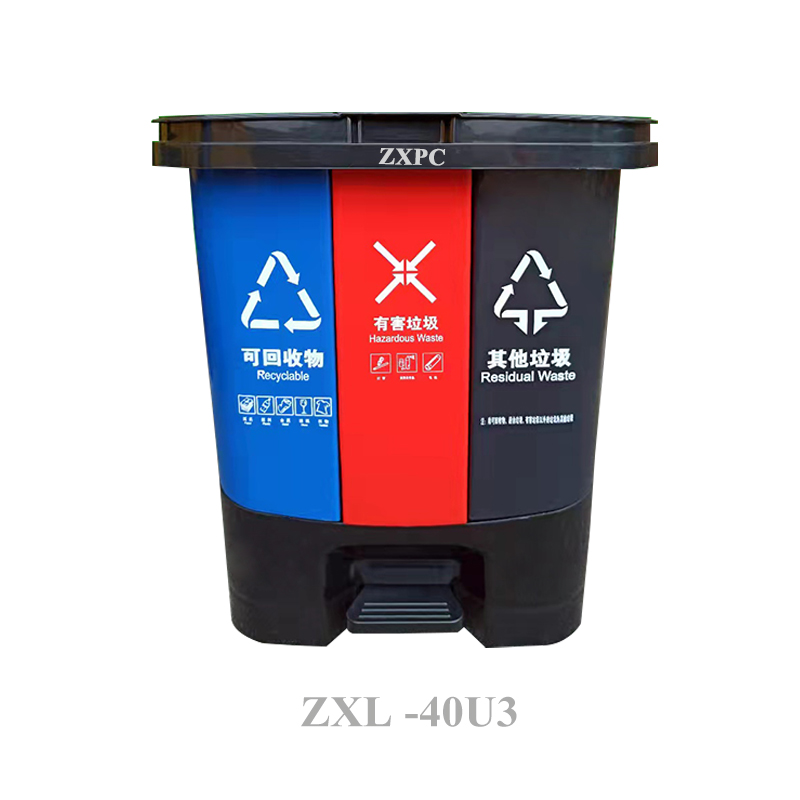
Operation Method: Use color-coded Medical Waste Bins to categorize waste into general, infectious, sharps, and pharmaceutical categories. For example, use red bins for biohazardous waste, and yellow bins for sharps.
This method is particularly suitable for hospitals and clinics where different categories of waste are generated daily. According to the Environmental Protection Agency (EPA), hospitals generate about 5.9 million tons of medical waste annually, making proper segregation crucial.
Title: Schedule Regular Collections
Why: Regular collections reduce the risk of overflow and exposure incidents.
Operation Method: Establish a routine collection schedule based on the volume of waste generated. Collaborate with waste management services to ensure timely pickup of full Medical Waste Bins.
This is particularly critical for facilities that produce large volumes of hazardous waste, as delays can lead to safety hazards. As reported by the World Health Organization (WHO), more than 85% of medical waste is non-hazardous, but it still requires proper handling.
Title: Conduct Staff Training
Why: Educating staff reduces instances of improper disposal practices.
Operation Method: Organize training sessions that cover the importance of safe disposal, the proper use of Medical Waste Bins, and emergency procedures for dealing with accidents.
Training is essential for hospitals and offices alike, where untrained staff may accidentally expose themselves or others to hazardous materials. According to a 2021 report by the National Institute for Occupational Safety and Health (NIOSH), training can lead to a 35% reduction in incidents related to medical waste exposure.
Title: Choose the Right Bin for Each Waste Type
Why: Different types of waste require specific containers for effective disposal.
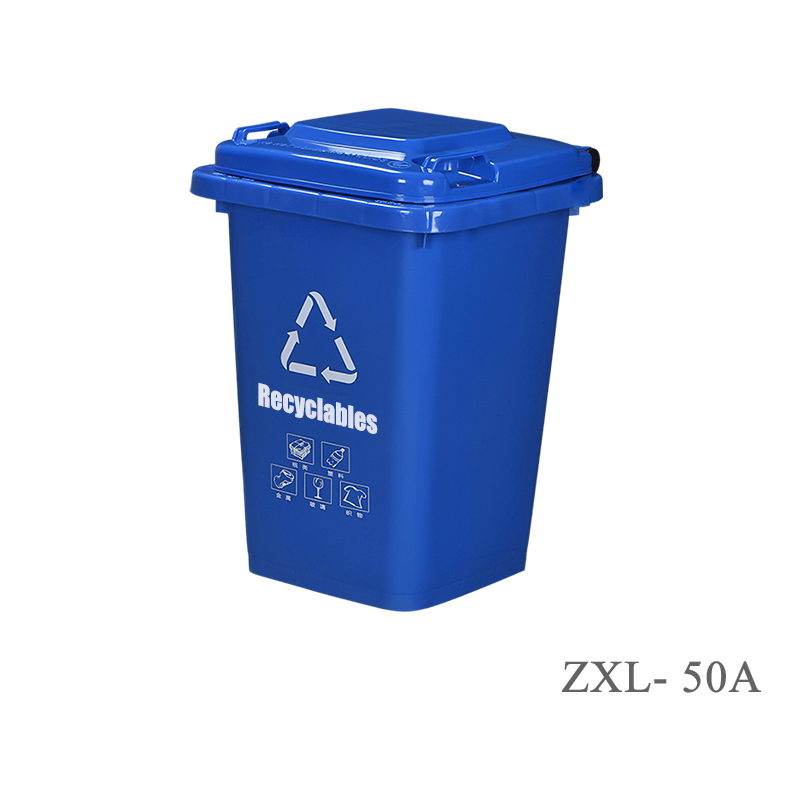
Operation Method: Select Medical Waste Bins from trusted suppliers like ZXPC, which offers a range of specialized containers tailored to specific waste types.
For example, use puncture-resistant containers for sharps and leak-proof bins for liquid waste. This approach is most effective in settings like dental offices where both sharps and liquid waste are produced. A study in the Journal of Environmental Health highlighted that appropriate container selection can reduce exposure rates by up to 40%.
Title: Leverage Local Medical Waste Disposal Services
Why: Utilizing local services can ensure compliance with regulations and safety.
Operation Method: Research local medical waste disposal services and establish partnerships for the regular collection and treatment of medical waste.
This is particularly valuable for smaller clinics that may not generate enough waste to warrant in-house disposal solutions. According to the CDC, improper disposal can affect not just public health but also environmental health, impacting local communities.
Ensuring the safe disposal of medical waste is vital for protecting public health and the environment. By utilizing appropriate Medical Waste Bins, segregating waste properly, scheduling regular collections, educating staff, and utilizing reliable disposal services, both healthcare facilities and households can contribute to a safer community.
Q1: What types of waste should be disposed of in Medical Waste Bins?
A1: Any hazardous waste, including sharps, contaminated materials, and pharmaceutical waste, should be disposed of in Medical Waste Bins.
Q2: How often should Medical Waste Bins be collected?
A2: This depends on the volume of waste produced; however, a weekly or bi-weekly schedule is common in high-output facilities.
Q3: What regulations govern medical waste disposal?
A3: Regulations may vary by location, but they fall under the jurisdiction of local health departments and the EPA guidelines for medical waste management.
If you would like more information about this product, please feel free to contact us. Recommend other popular products for you.: Medical Waste Bin