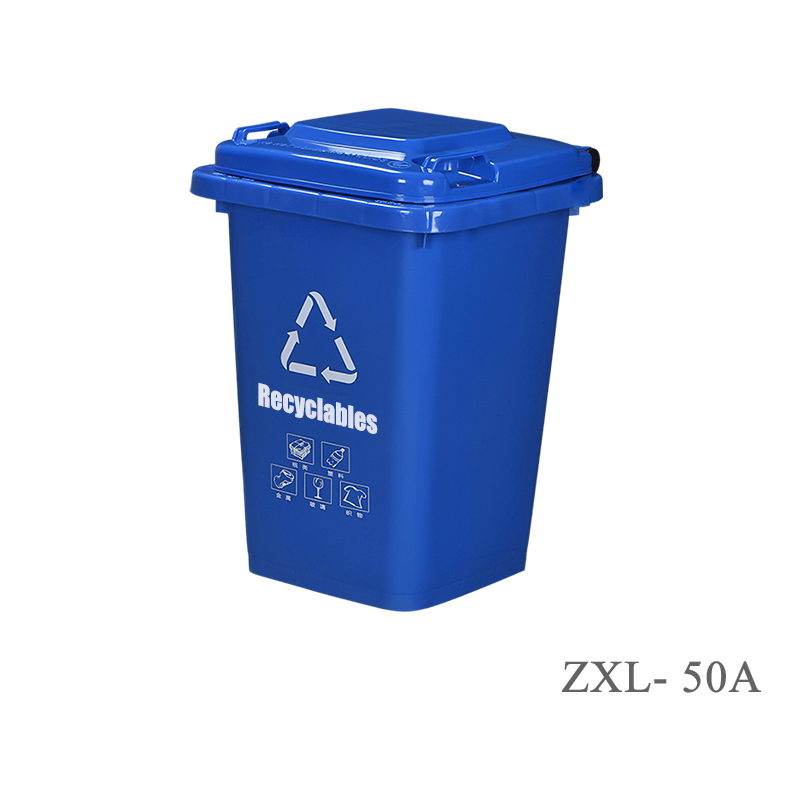
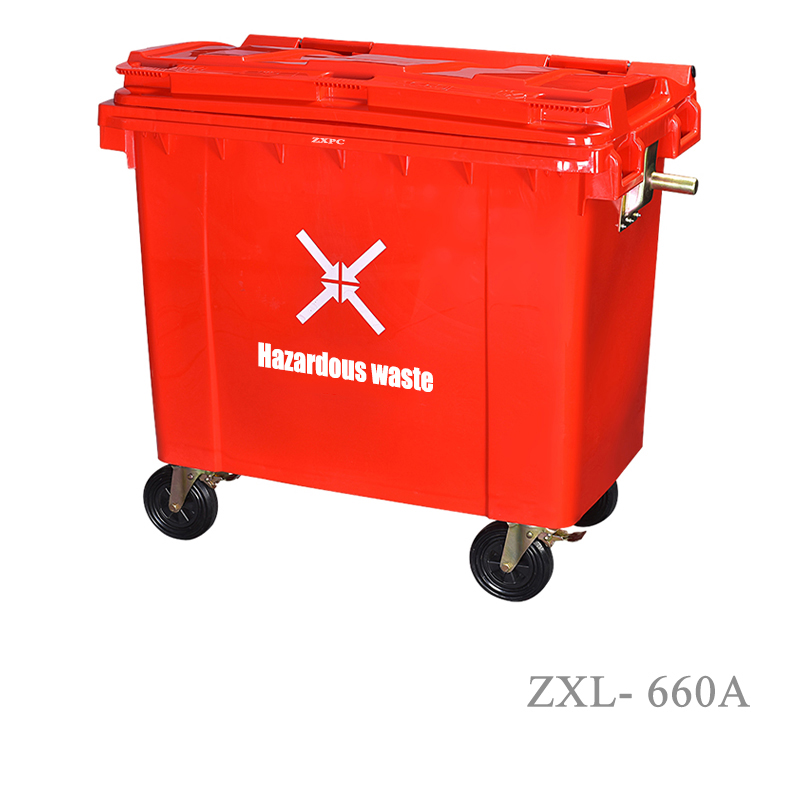
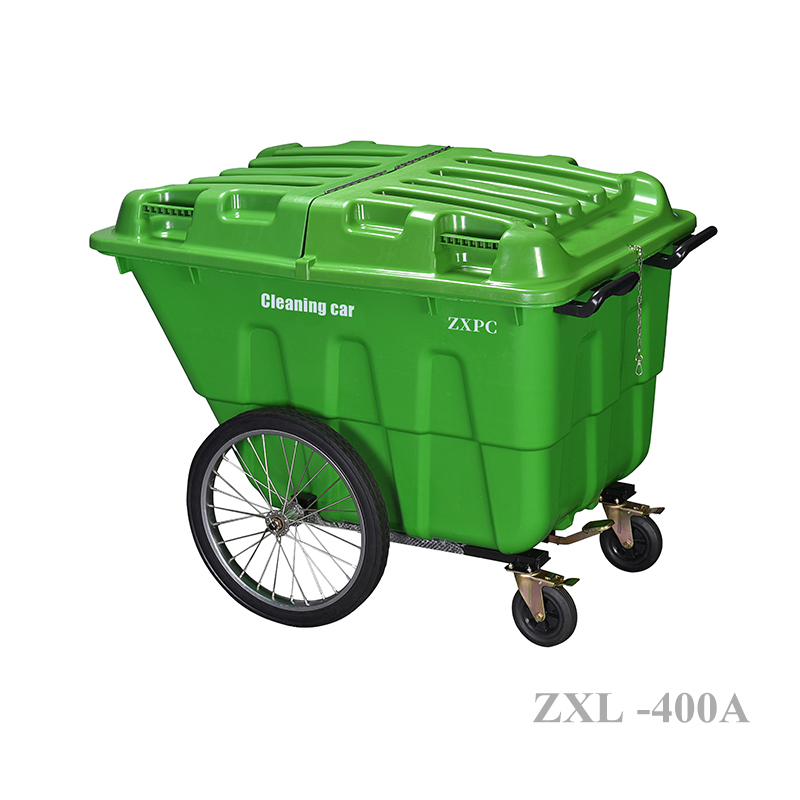
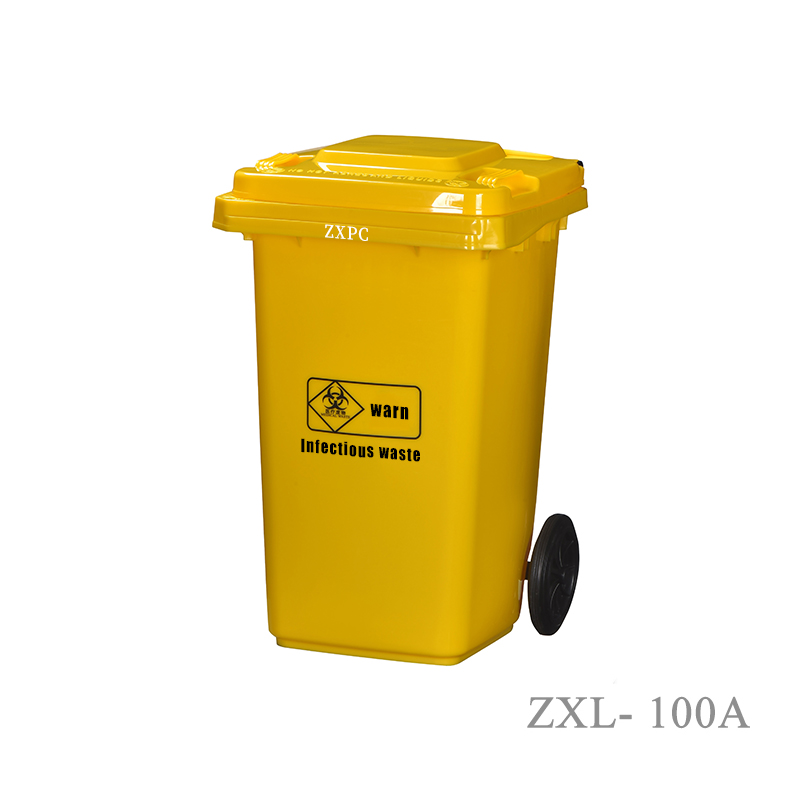
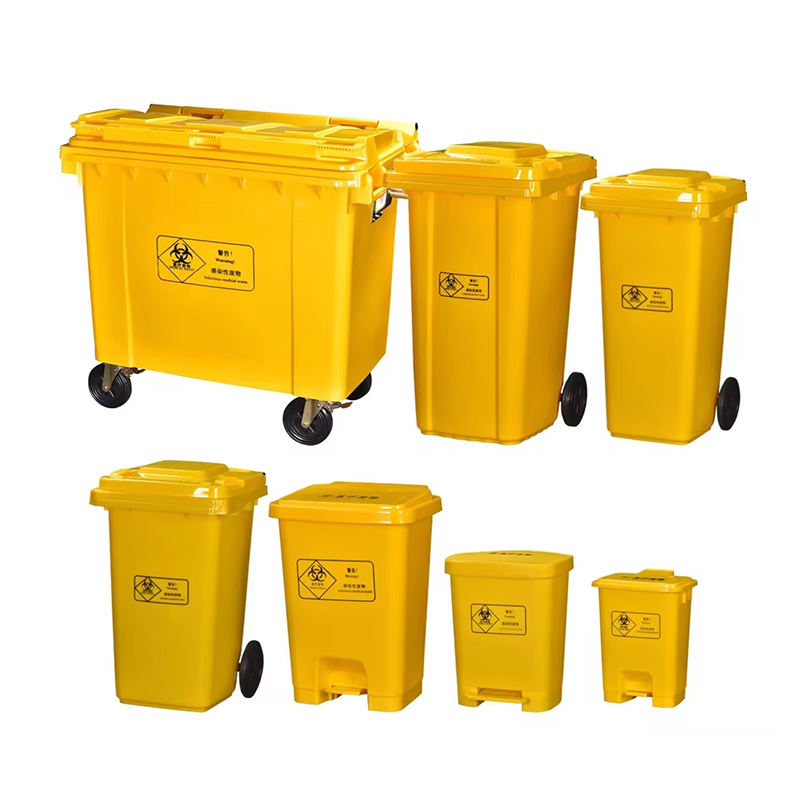
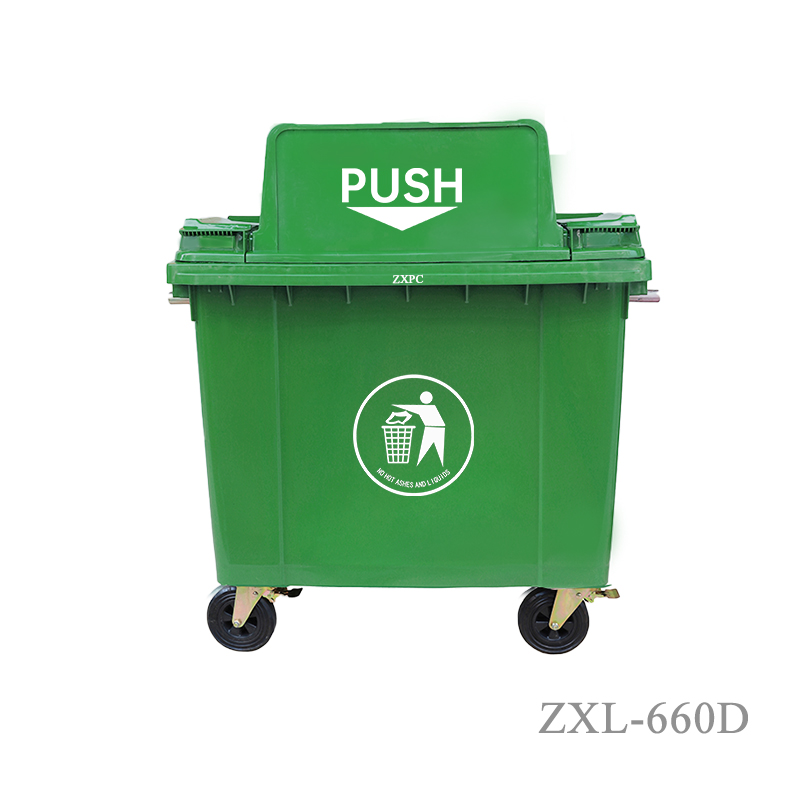
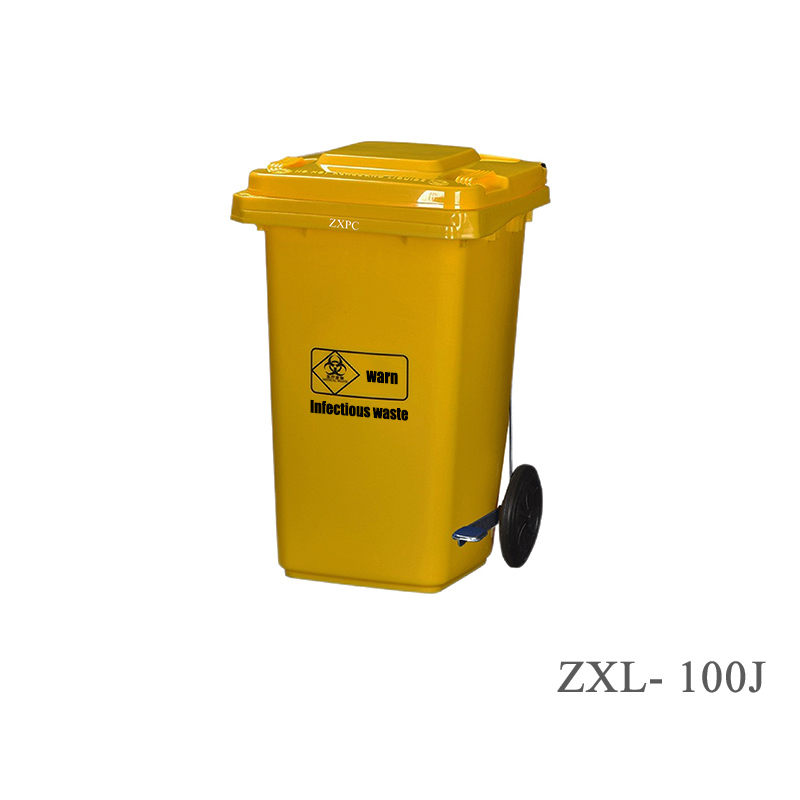
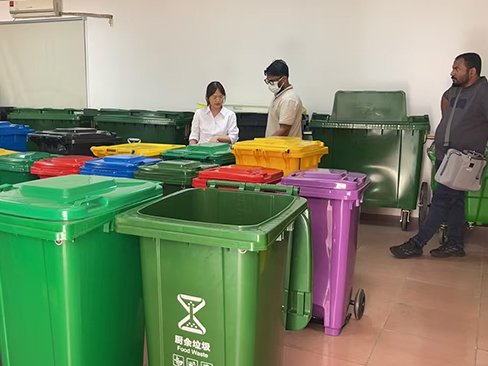
As healthcare facilities increasingly prioritize sustainability and safety in their operations, the demand for efficient Medical Waste Bin solutions has never been higher. Hospitals are facing significant challenges, including the proper segregation of hazardous waste and compliance with stringent regulations. In response, innovative Medical Waste Bin technologies are emerging to meet these needs, offering both compliance and eco-friendly benefits. The modern hospital landscape requires a shift towards sustainable waste management practices that effectively engage with these challenges: reducing contamination risks, enhancing operational efficiency, and promoting environmental responsibility.
Several key drivers are shaping the landscape of Medical Waste Bin solutions today. According to "Trends in Medical Waste Management" by the National Institute of Health, the global healthcare waste management market is projected to reach USD 43 billion by 2027, growing at a CAGR of 5.5% from 2020. This growth is propelled by an increase in hospital admissions, stricter government regulations, and greater awareness of environmental issues. Innovations in waste bin design are being driven by the need for improved safety features, such as automated sorting technologies and user-friendly disposal mechanisms that minimize human contact.
Emerging trends in Medical Waste Bin technology include the integration of smart sensors for real-time monitoring. These systems provide hospitals with data on bin usage and needed capacities, leading to a 25% reduction in overflows and operational inefficiencies, according to a case study by HealthTech Innovations. Smart systems connect to hospital networks, flagging when bins need service or when specific types of waste exceed predefined thresholds.
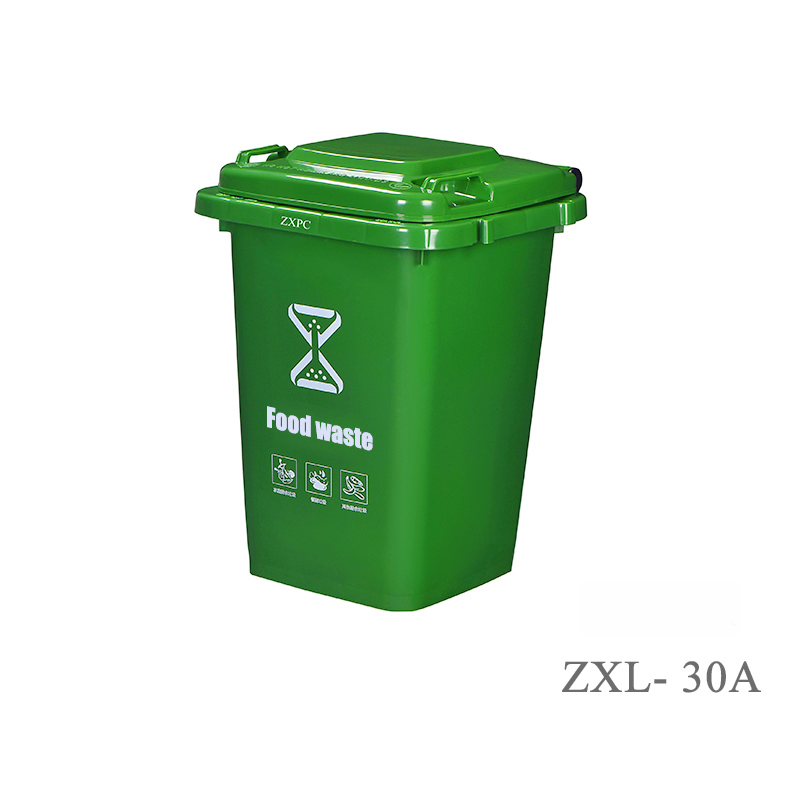
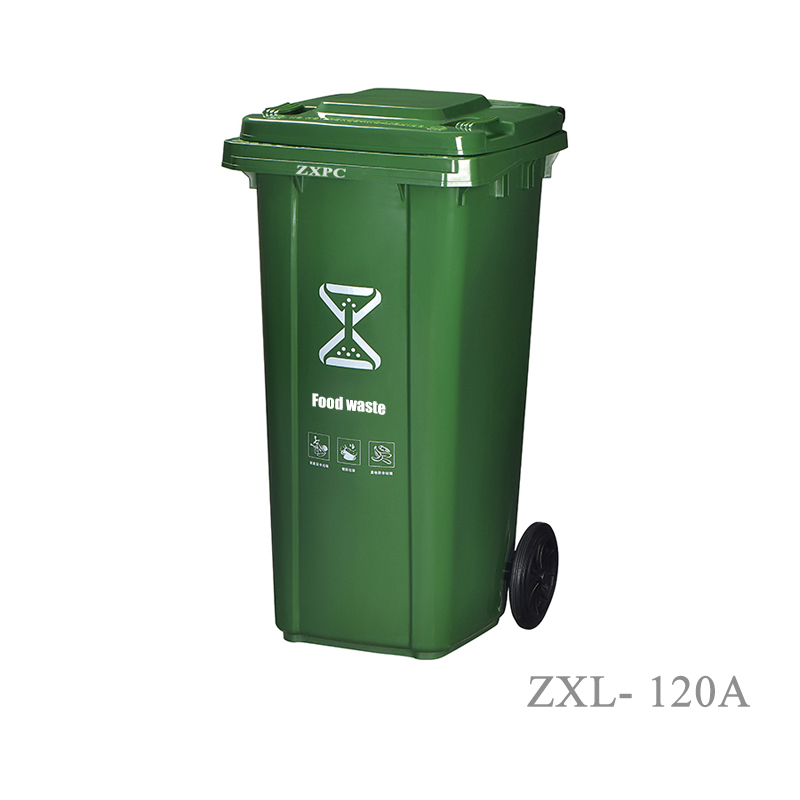
With heightened attention to sustainability, eco-friendly Medical Waste Bins made from recyclable or biodegradable materials are gaining traction. As per a report by EcoHealth Solutions, facilities using these bins have successfully decreased their carbon footprint by 20%, while still maintaining compliance with local regulations. This trend not only enhances a hospital's public image but also appeals to environmentally conscious stakeholders.
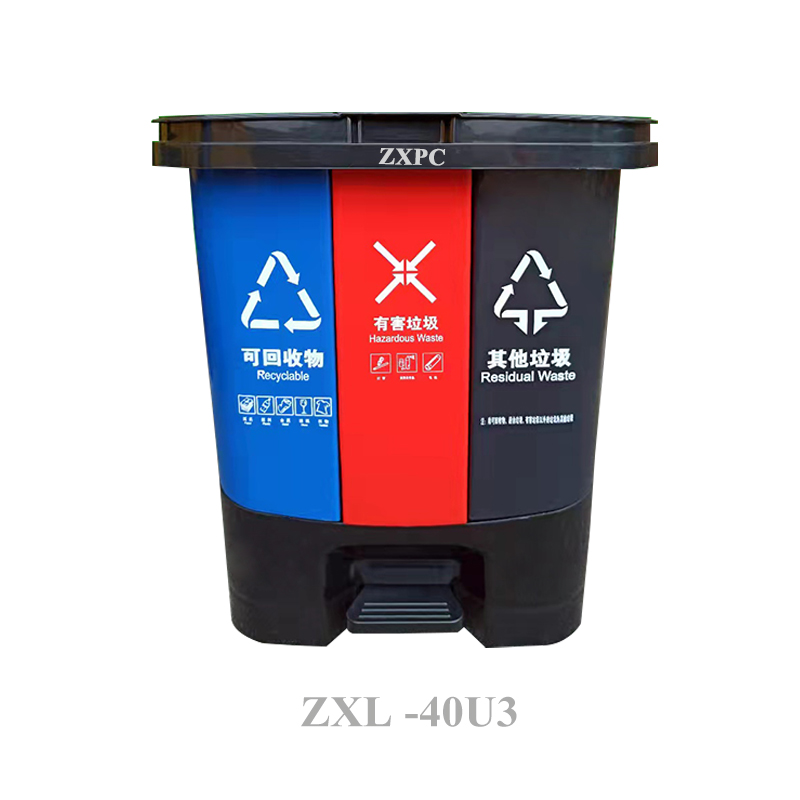
Modern Medical Waste Bins are adopting dual or triple compartment designs that facilitate better segregation of waste types. This is crucial, as mismanaged waste can lead to contamination and expensive fines. A study by Green Hospital Partners indicates that hospitals implementing advanced segregation technology saw a 30% increase in waste recycling rates. Efficient segregation minimizes the risk associated with hazardous wastes, ensuring that the handling process is safe and compliant.
Safety remains paramount, driving innovations like foot-pedal operated and touchless Medical Waste Bins that reduce the risk of infection. Recent data shows that hospitals utilizing touch-free waste disposal systems experienced a 40% reduction in staff injuries related to waste handling, according to the Hospital Safety Institute. These bins also provide a barrier against contamination, reinforcing workplace safety protocols.
Centralized waste management systems are evolving to integrate Medical Waste Bin solutions with broader hospital waste management strategies. This holistic approach improves tracking and efficiency while ensuring compliance with regulations set by agencies like the Environmental Protection Agency (EPA). Hospitals adopting these systems report a 35% reduction in overall waste disposal costs, according to the Environmental Health Journal.
These evolving Medical Waste Bin trends have significant implications for hospitals and healthcare purchasers. Buyers must assess new products not only based on initial costs but also on long-term ROI associated with safety, efficiency, and regulatory compliance. The move towards data-driven waste management solutions, like those offered by ZXPC, stresses the importance of capital investment in safety and environmental stewardship, which can significantly enhance operational workflows in a hospital setting.
For hospitals looking to upgrade their waste management processes, these practical suggestions can facilitate a smooth transition:
Medical Waste Bins are designed for various types of waste, including sharps, biohazardous materials, and pharmaceutical waste. It's crucial to use the appropriate bins to ensure compliance and safety.
The frequency of servicing Medical Waste Bins depends on the facility's size and waste generation rates, but regular monitoring is essential to prevent overflow and contamination.
Yes, various regulations govern Medical Waste disposal, including federal guidelines by the EPA and state-specific regulations that hospitals must adhere to for safe and compliant waste management practices.
ZXPC provides innovative Medical Waste Bin solutions that promote segregation, enhance safety, and support environmental initiatives, helping hospitals minimize their ecological footprint while ensuring compliance with regulations.