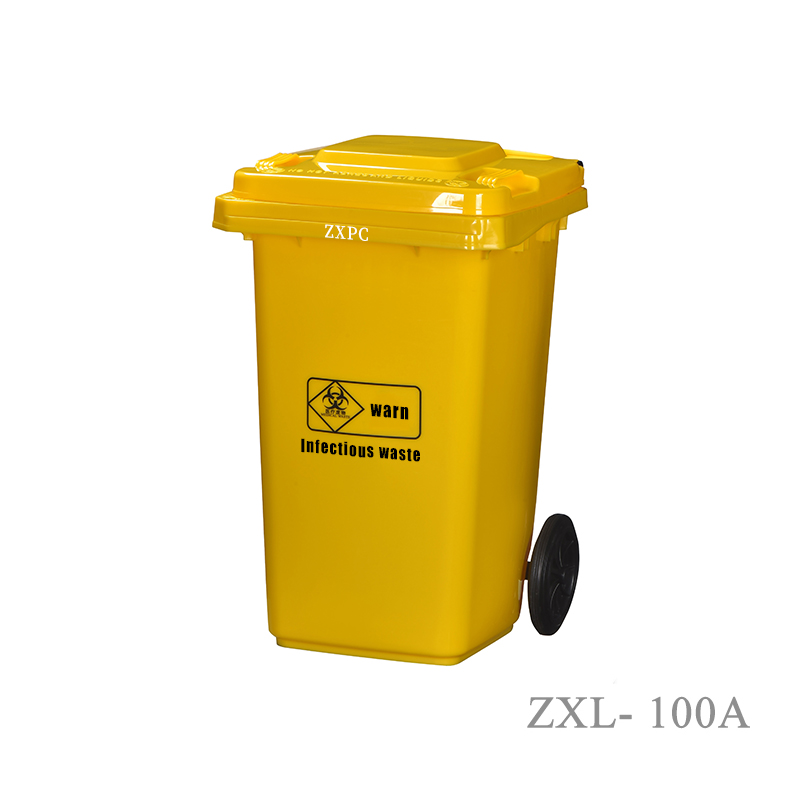
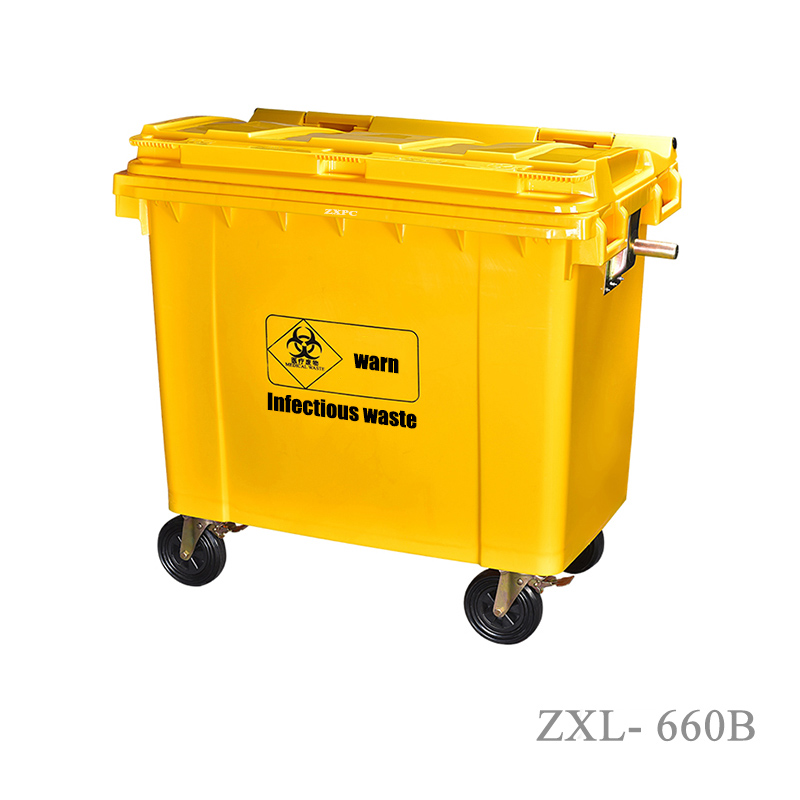
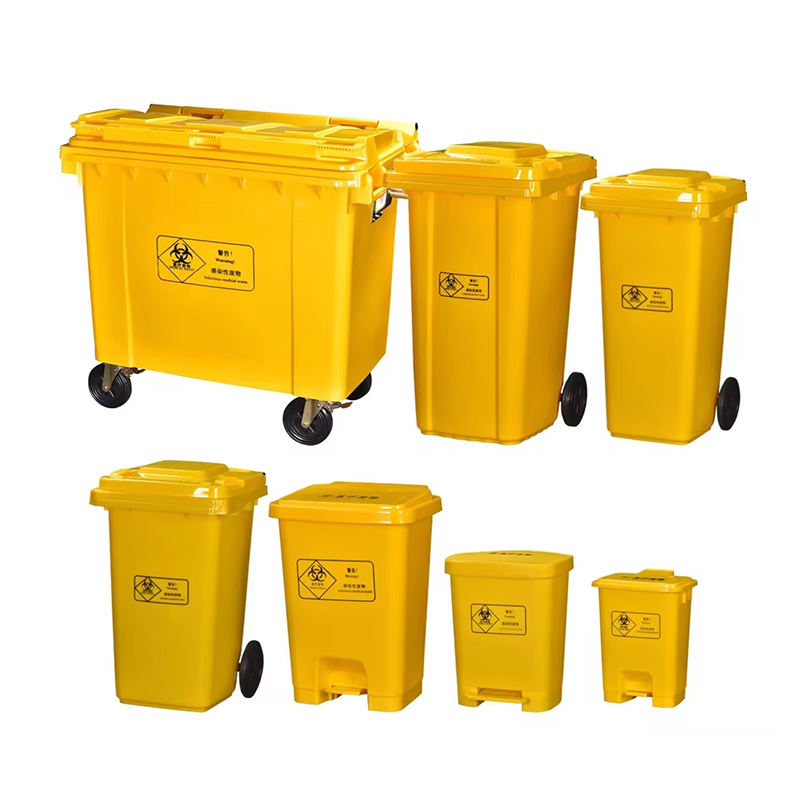
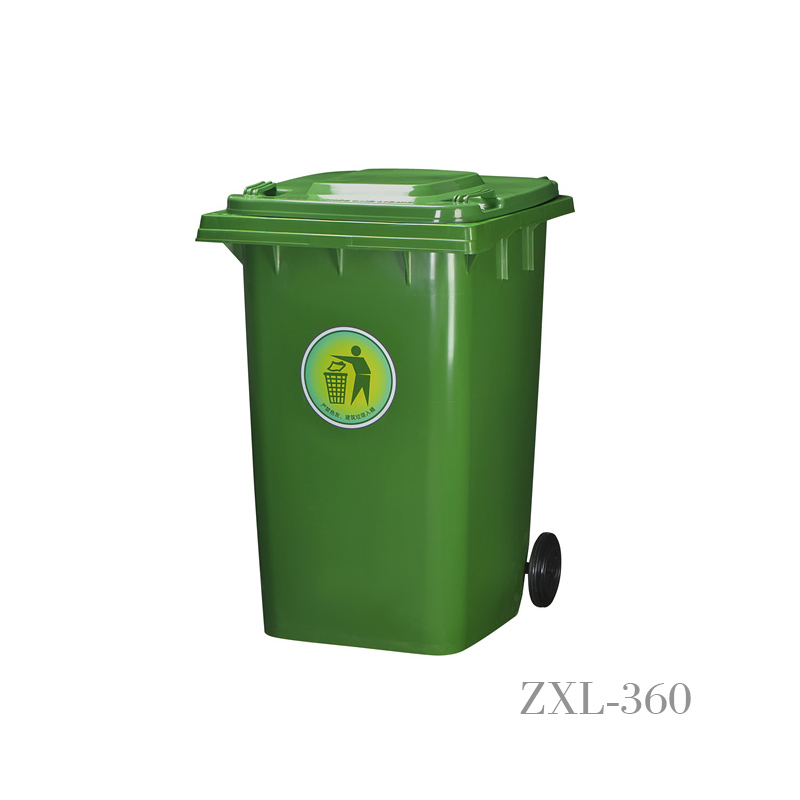
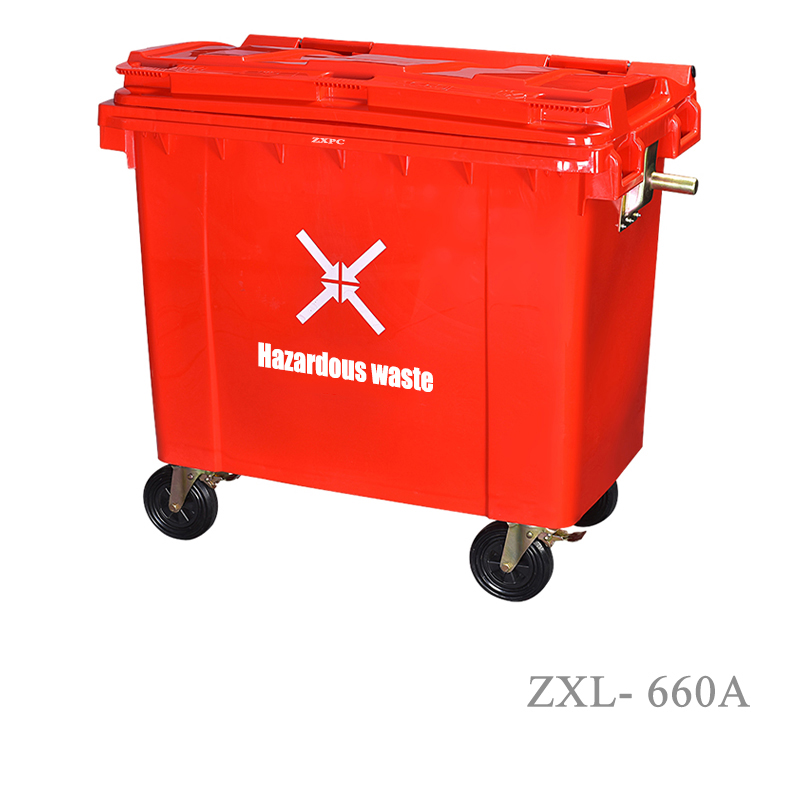
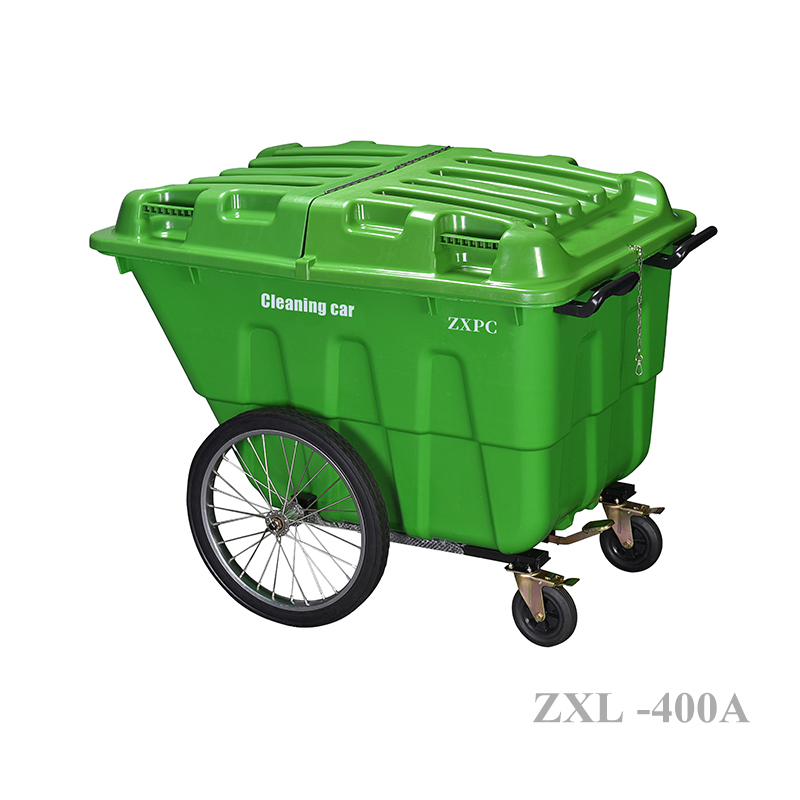
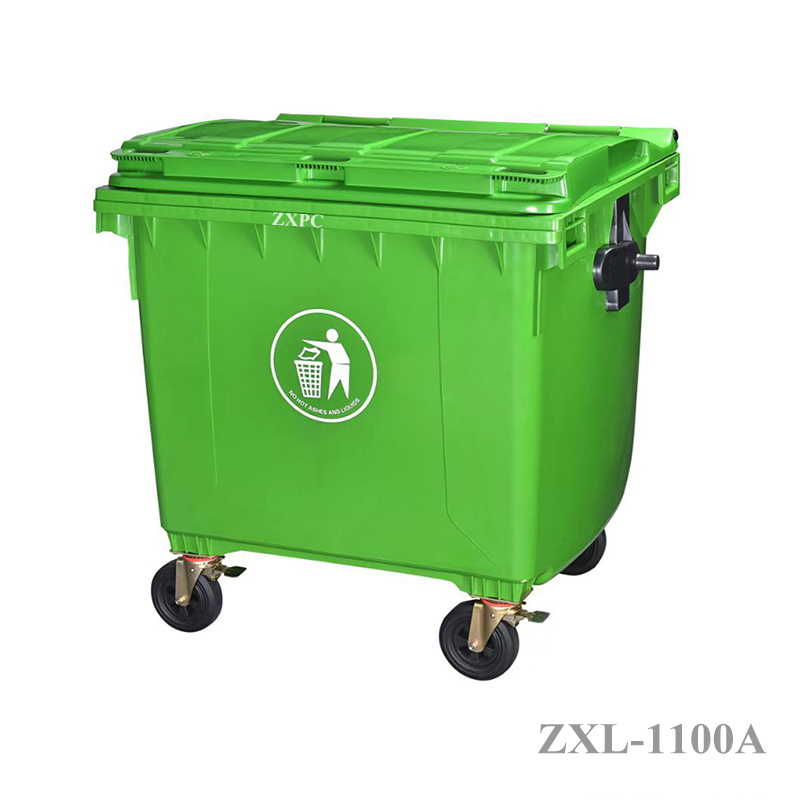
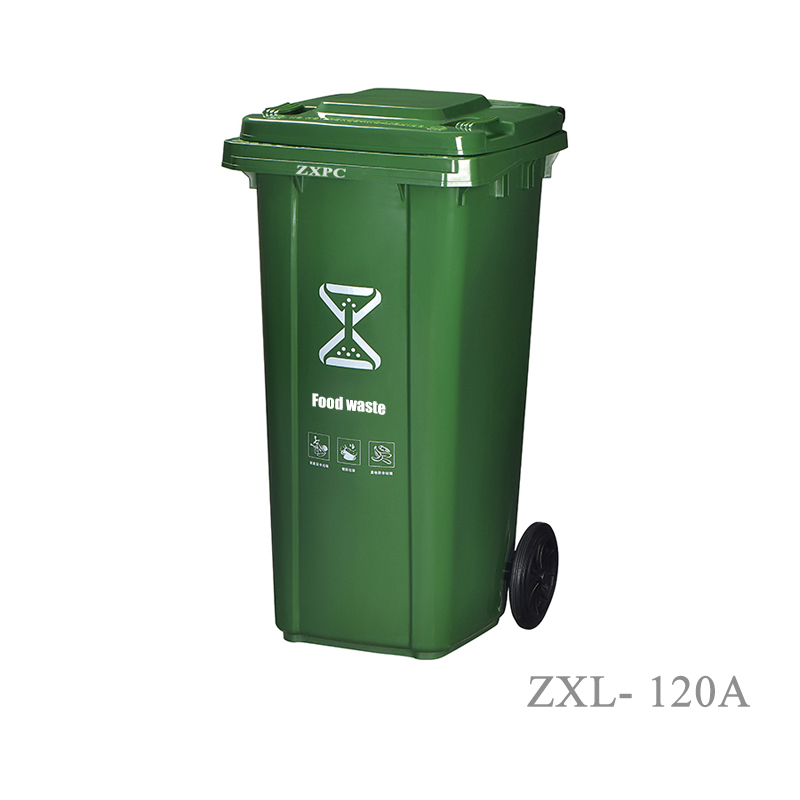
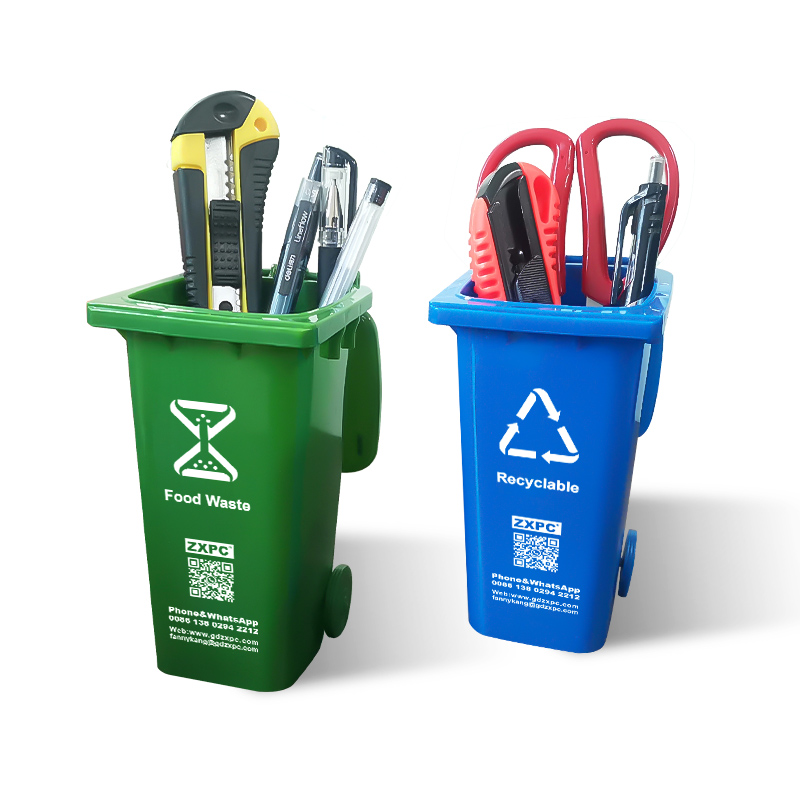
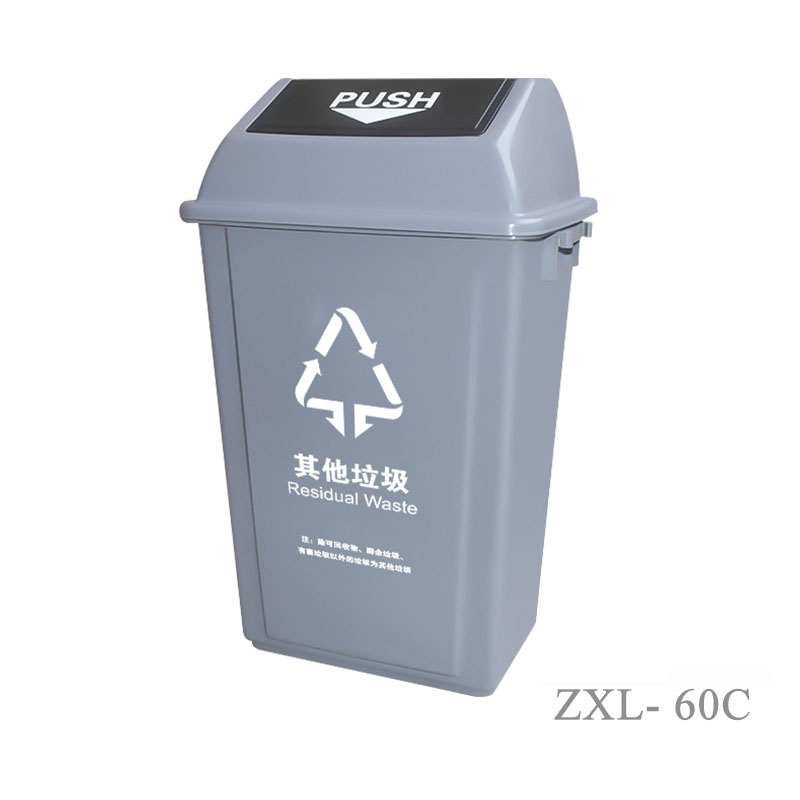
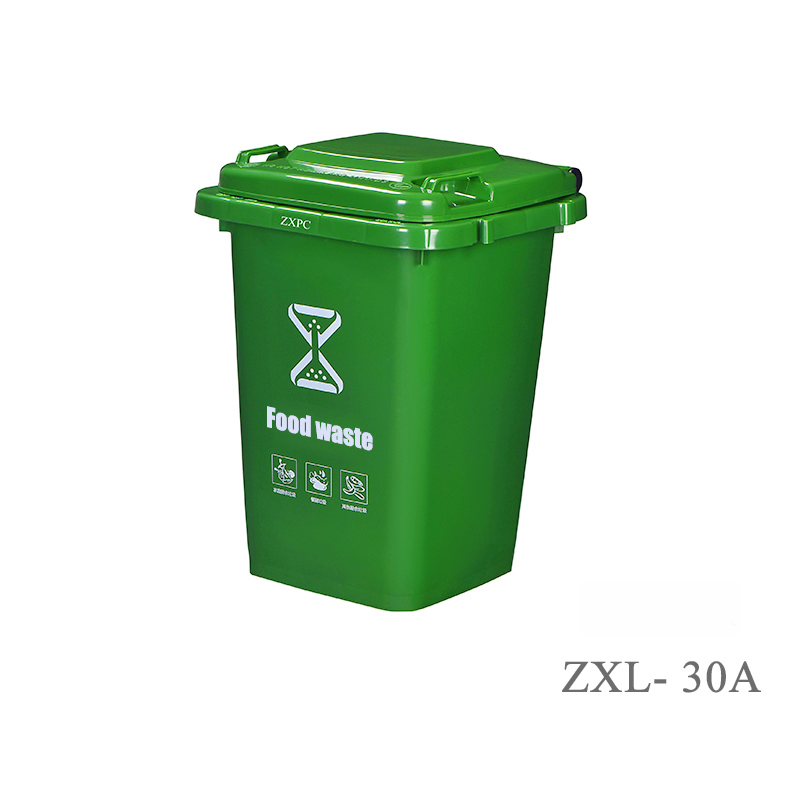
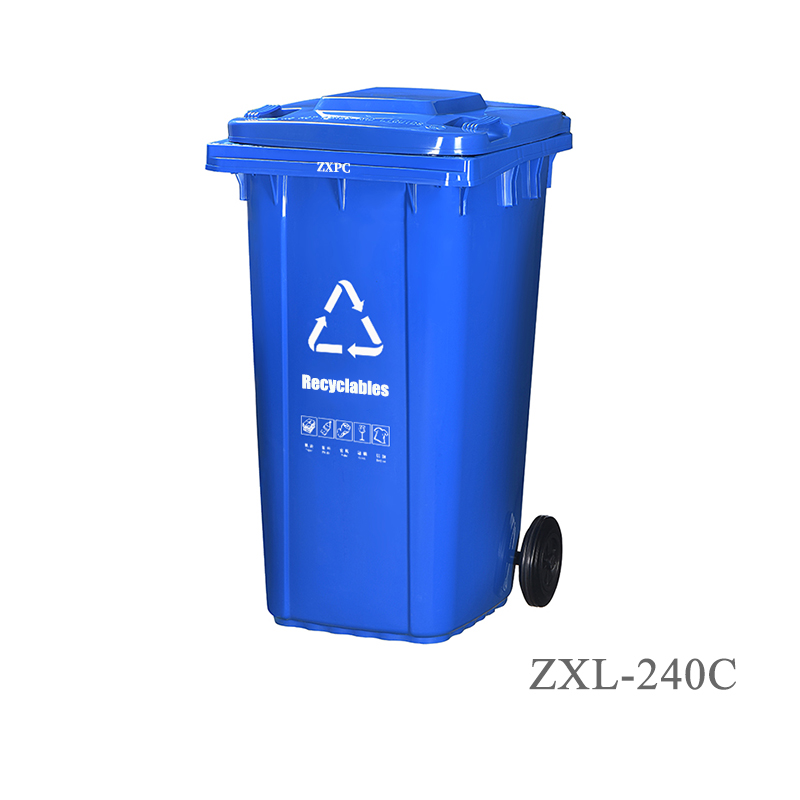
In the realm of modern waste management, the Mobile Wheelie Bin has emerged as a significant tool for both residential and commercial spaces. Individuals often face the challenge of efficiently managing waste, particularly in urban environments where space is limited and regulations around waste disposal can be stringent. The need for an effective solution is palpable; for example, in a city where the average household generates 1.3 kg of waste per person per day, the right waste storage option can make all the difference. Using a mobile wheelie bin not only facilitates better waste segregation but also ensures compliance with local disposal regulations. Here, we will evaluate the pros and cons of using these bins, shedding light on their significance in today’s waste management landscape.
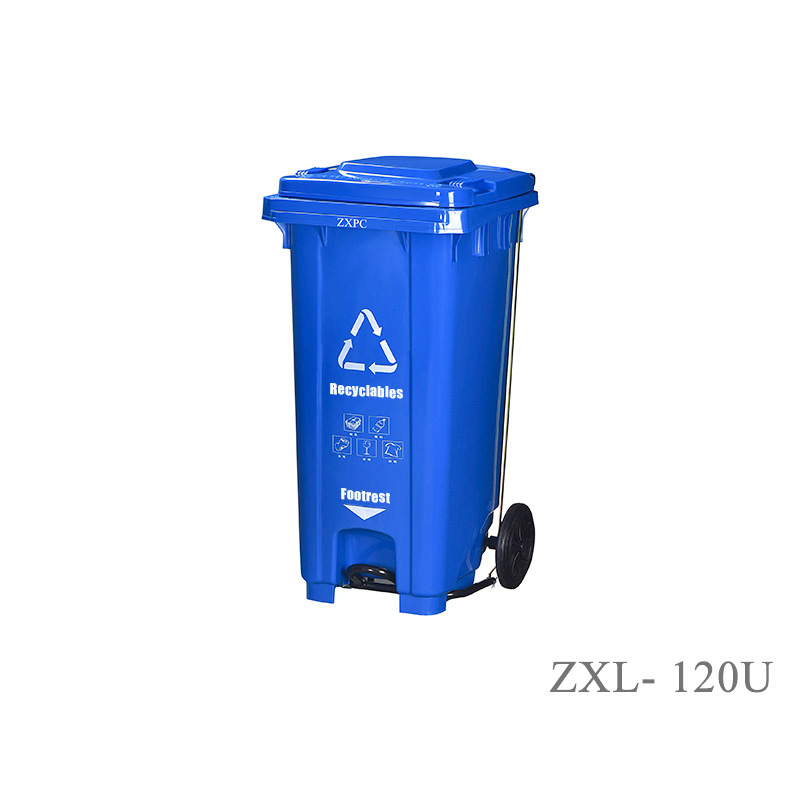
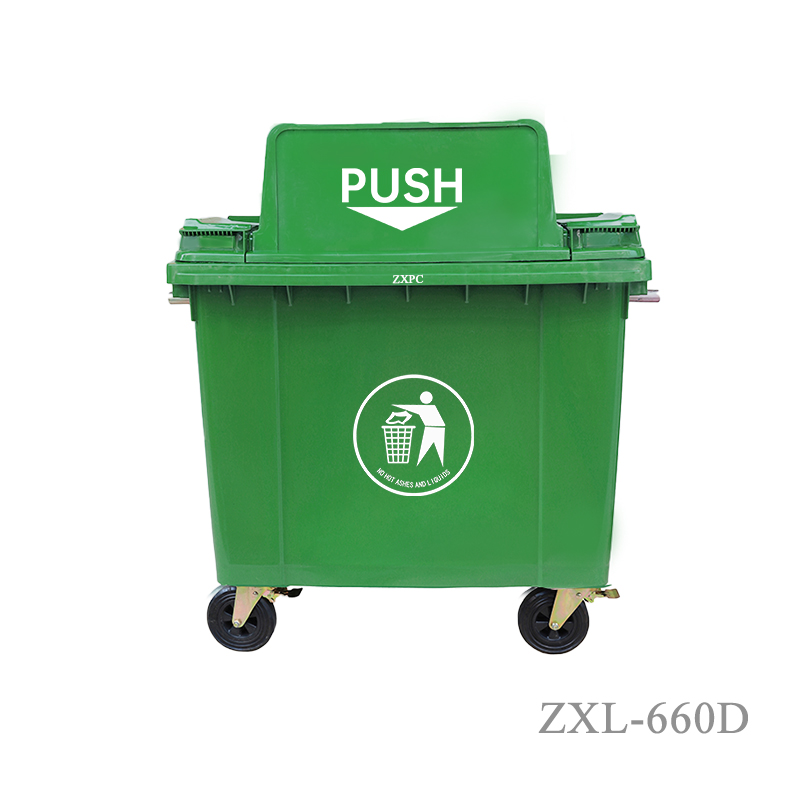
The benefits of incorporating a Mobile Wheelie Bin into waste management practices are numerous. Firstly, they are designed for mobility, featuring wheels that allow for easy maneuverability. For instance, bins like the ZXPC model can accommodate up to 240 liters of waste, making them suitable for larger households or small businesses. Moreover, they are built with durable materials that withstand weather conditions, which is evidenced by a lifespan of up to 10 years in outdoor settings, thus promising a long-term return on investment. Data indicates that using wheelie bins can enhance waste segregation efficiency by around 45%, leading to an increase in recyclable materials being diverted from landfills. Additionally, these bins typically come with secure lids that prevent animal scavenging, which has been documented to reduce unwanted pests by approximately 60% in urban areas. Furthermore, the use of mobile wheelie bins can simplify the collection process for waste management authorities, potentially decreasing collection times by 25% due to clear sorting and organization. These statistics illustrate why many enterprises and households have adopted mobile wheelie bins for their waste management needs.
Despite their advantages, Mobile Wheelie Bins are not without drawbacks. One significant disadvantage is their size; while a standard 240-liter bin is adequate for most, larger families or businesses generating more than 10 kg of waste daily may find them inadequate. Furthermore, their plastic construction may degrade over time due to exposure to UV light, potentially leading to cracks and a reduced lifespan of around 5-7 years for certain models. It is advisable to store these bins in shaded areas to mitigate this issue. Another consideration is the maintenance required; failure to clean the bins regularly can lead to odor retention and bacterial growth, which can be unpleasant. In a study, bins that were not cleaned weekly accumulated bacteria levels that were 40% higher than those maintained correctly. A strong recommendation is to implement a regular cleaning schedule and use odor-neutralizing solutions to prevent these issues. Moreover, in areas with stringent waste collection schedules, users must be careful to ensure they don't overfill their bins, as this can lead to fines in some jurisdictions.
Ultimately, the decision to purchase or use a Mobile Wheelie Bin depends largely on individual or business waste management needs. For households that produce a moderate amount of waste and prioritize sustainability, these bins can serve as a practical tool to enhance waste segregation. Similarly, small businesses aiming to maintain compliance with local waste regulations can greatly benefit from their use. However, if your waste volume consistently exceeds the bin's capacity or if reliance on bin cleanliness is a concern, investing in multiple bins or alternative storage solutions may be worth considering. In a landscape that increasingly favors sustainable practices, choosing a wheelie bin that aligns with both your needs and local guidelines is essential.
In conclusion, the Mobile Wheelie Bin presents a favorable option for many households and smaller enterprises seeking efficient waste management solutions. Those generating moderate waste and looking for improved recycling opportunities will find it particularly beneficial. However, larger households or businesses should assess their waste volume to determine if a wheelie bin meets their needs or if additional solutions are necessary. For optimal results, investing in quality brands like ZXPC can enhance durability and functionality.
For average households, a 240-liter bin is generally sufficient. However, families that produce more than 10 kg of waste daily may need to consider larger options or multiple bins.
It is recommended to clean your wheelie bin at least once a week to prevent odors and bacteria growth. Using a mild detergent or commercial cleaner can improve hygiene.
Yes, but it is advisable to place it in a shaded area to prevent UV degradation of the bin's material. Regular maintenance and cleaning will also prolong its lifespan.